

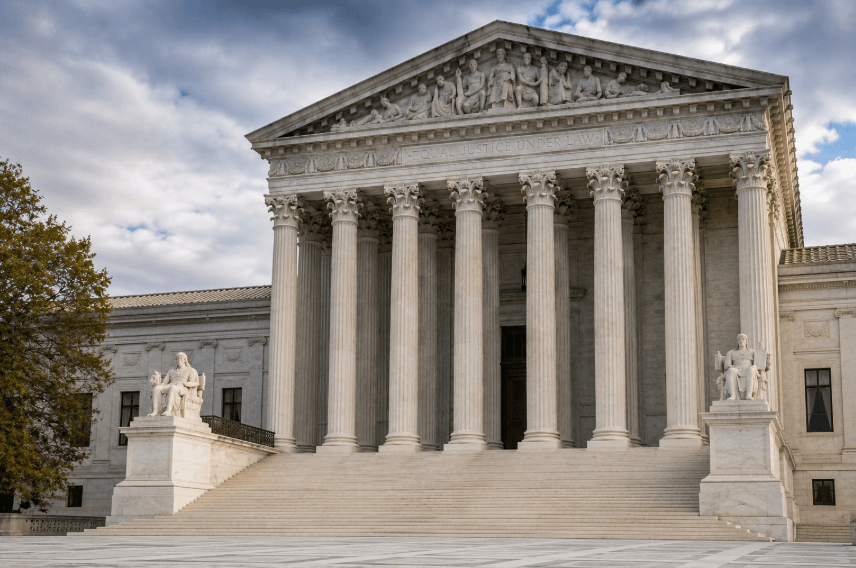
NEW YORK, N.Y. — The United States Supreme Court has ruled in favour of the Trump administration in a decision that ends Temporary Protected Status (TPS) protections for immigrants from Haiti and Syria, a move that advocacy organisations say could have broader implications for people from up to 14 countries currently covered by the programme.
The ruling marks a significant development in US immigration policy and could affect as many as 1.3 million individuals who have relied on TPS to live and work legally in the United States after leaving countries experiencing violence, instability or other extraordinary conditions.
Temporary Protected Status is a humanitarian programme that allows eligible nationals from designated countries to remain and work legally in the United States when returning to their home country is considered unsafe due to armed conflict, environmental disasters or other exceptional circumstances. According to Make the Road States, the latest ruling could place the legal status of many long-term residents at risk if additional TPS designations are ended.
Make the Road States, which describes itself as a pro-immigrant and pro-working-class organisation with more than 70,000 members, issued a statement following the court’s decision, expressing concern over its potential impact on immigrant communities and their families.
Theo Oshiro, Co-Executive Director of Make the Road States, criticised the ruling and called on Congress to pursue legislative action that would provide permanent protections for those affected.
“Ending Temporary Protected Status for immigrants from countries like Haiti and Syria—who fled violence to seek refuge and opportunity—is cruel, unjust, and an affront to the values of our nation. Once seen as the land of safety and possibility, our country and those at the helm are coming after the very people who help our country thrive. With Today’s ruling, the Supreme Court has allowed the Trump administration to strip potentially 1.3 million people of legal protections as they escalate a de-documentation agenda. Families deserve stability and safety—not deportation and permanent separation. Congress must now do its job and act to create a pathway to citizenship so immigrant families can live safely and thrive.”
The Supreme Court’s decision is expected to influence ongoing discussions surrounding US immigration policy, particularly regarding the future of Temporary Protected Status and other humanitarian programmes. TPS has served for decades as a temporary measure allowing eligible individuals to remain in the country legally while conditions in their home nations prevent a safe return.
Supporters of the programme argue that TPS recipients have become integral members of local communities and the workforce while complying with the conditions of their legal status. Others have maintained that decisions regarding temporary immigration protections should follow existing statutory requirements and be determined through federal policy and legal processes.
The latest ruling is also likely to increase attention on Congress, where immigration reform proposals have been debated for several years. Advocacy organisations continue to argue that long-term legislative solutions are needed for individuals who have spent years living and working in the United States under temporary protections.
While the Supreme Court’s decision resolves an important legal question regarding the administration’s authority over TPS designations, broader policy debates surrounding humanitarian immigration programmes are expected to continue. Lawmakers, advocacy groups and affected communities will now be closely watching whether Congress considers further action addressing the future legal status of those impacted by the ruling.
The decision underscores the continuing national debate over immigration policy, humanitarian protections and the balance between executive authority, judicial review and legislative reform in the United States.