


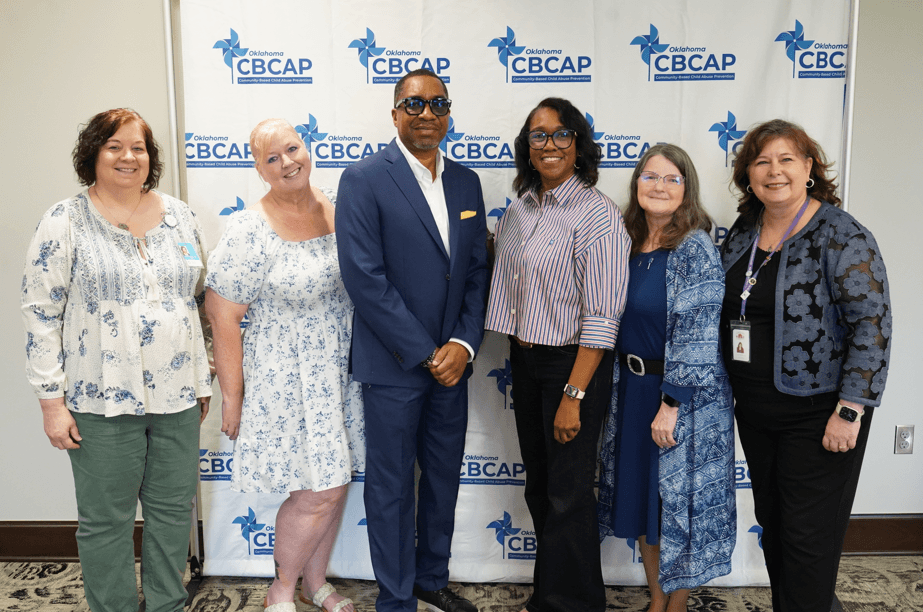
The Oklahoma State Department of Health (OSDH) has recognised a range of individuals and organisations for their contributions to child abuse prevention, underlining the growing importance of early intervention and family support services in strengthening communities.
At an awards ceremony held on 24 April at the Oklahoma State Capitol in Oklahoma City, recipients were honoured for their leadership, innovation and sustained commitment to safeguarding children and supporting vulnerable families. The annual event forms part of wider efforts to promote preventative approaches that reduce long-term social and economic pressures associated with child welfare.
“Preventing child abuse begins with supporting and strengthening families,” said Lorri Essary, director of the Family Support and Prevention Service at OSDH. “Which is essential for building strong, healthy communities and those we recognized this year play a vital role in making that possible.”
The ceremony brought together stakeholders from healthcare, social services, non-profit organisations and public administration, reflecting a cross-sector approach increasingly seen as critical in addressing systemic challenges linked to child protection.
Cross-sector contributions recognised
This year’s awards highlighted a diverse mix of programmes and individuals operating at both grassroots and policy levels. Kenzie Stephens received the Julie L. Bonner Nurse Home Visiting Award for work connected to Family Connects at the Parent Child Center of Tulsa, a programme focused on early childhood intervention through home-based care.
Te’Ata Gentle Springs Loper was honoured with the Marian Jacewitz Award for contributions through the Oklahoma Indian Child Welfare Association, signalling the importance of culturally responsive services in child welfare systems.
Kayxandra “KC” Campbell, representing the Child Advocacy Center of Central Oklahoma, was presented with the Mary Ellen Wilson Award, recognising efforts to support children affected by abuse through coordinated care and advocacy.
Community-driven initiatives also featured prominently. Lilyfield’s Westwood Community Collaborative was named Outstanding Community Builder, reflecting the increasing role of local partnerships in delivering integrated family services.
At the policy level, Representative Tammy West received the Outstanding Elected Official Award for work within the Oklahoma House of Representatives, highlighting the role of legislative support in enabling prevention-focused programmes.
Strengthening family support infrastructure
Programmes focused on direct family engagement were also recognised. Bright Beginnings, part of the Parent Child Center of Tulsa, received the Outstanding Family Support Award for its work in early childhood development and parental guidance.
Krystal Claxton was named Outstanding Home Visitor for her role within the Parents as Teachers programme, which delivers structured support to families through regular in-home visits aimed at improving child development outcomes.
Innovation in programme delivery was acknowledged through the Mildred Ramsey Community Innovation Award, presented to Lacey McCause for contributions to the Fathers Empowered Program at Circle of Care, Inc. The initiative focuses on increasing paternal engagement in child development, an area gaining attention for its long-term social benefits.
Emphasis on lived experience and leadership
The awards also recognised individuals demonstrating leadership through lived experience. Katerina Alder, Lacreshia Jackson and Tracy Hunt each received the Oklahoma Parent Leadership Award, representing communities in Bixby and Tulsa.
Their recognition reflects a broader shift towards incorporating parent voices into programme design and policy discussions, with lived experience increasingly viewed as a critical asset in shaping effective family support systems.
Wider implications for public health and economic resilience
While the awards ceremony focused on individual achievements, the broader message aligns with a growing body of evidence linking early intervention in child welfare to long-term economic and societal benefits. Preventative approaches can reduce demand on healthcare, education and social services, while improving workforce participation and community stability.
By recognising both frontline practitioners and strategic contributors, OSDH’s annual awards underscore the interconnected nature of public health, social infrastructure and economic resilience.
As governments and organisations continue to prioritise prevention over reactive measures, initiatives such as those highlighted in Oklahoma offer a model for integrated, community-led approaches that address root causes rather than symptoms.
The 2026 award recipients collectively demonstrate how targeted support, collaborative frameworks and sustained investment in families can deliver measurable impact—both at the individual level and across wider society.




:quality(85)/cloudfront-us-east-1.images.arcpublishing.com/infobae/45OXD2PP2VAWTFEPJZPEDWSDC4.jpg "The Ortega regime is closing embassies in cities with high immigrant populations, leaving thousands of Nicaraguans homeless.")