

The American Society of Mechanical Engineers (ASME) has announced the regional finalists selected for the 2026 ASME Innovation Showcase (ISHOW), a global accelerator program supporting hardware-based social innovation. Eight ventures from Africa and eight from the Americas have advanced after presenting their solutions and completing design and engineering reviews with industry experts between July 6 and August 6.
The 16 selected ventures will compete for six positions in the 2026 ISHOW global cohort. Winners will receive grant funding, access to ASME’s international expert network, and technical support designed to help accelerate the development and commercialization of their technologies.
A virtual awards ceremony will be held on Tuesday, August 11, at noon Eastern Daylight Time. The event will feature guest speaker Jit Bhattacharya, founder of African electric mobility startup BasiGo.
Hardware innovations target global challenges
The 2026 ASME ISHOW finalists are developing affordable and sustainable technologies aimed at addressing major challenges across agriculture, clean energy, environmental protection, food storage, healthcare, recycling, and access to drinking water.
The selected ventures from Africa include solutions such as AI-powered healthcare assistance, solar-powered refrigeration, agricultural monitoring systems, assistive technologies, and electronic waste recycling.
AISHA, based in Bethlehem, Pennsylvania, has developed an “Artificial Intelligence Strengthening Healthcare Access” solution, using an AI-powered voice assistant on low-cost hardware to provide healthcare information to patients and medical workers in underserved communities.
BMTA&C Energy, operating between Paris and Benguerir, Morocco, is advancing clean refrigeration technology through its “Clean, Solar, Smart Refrigeration” system. The solution combines solar energy, thermal storage, and intelligent energy management to improve cold-chain access while reducing emissions.
Kenya-based Ecomobilus Technologies Limited has introduced “e-Mkoko,” a solar-powered electric handcart designed to improve last-mile logistics for informal traders while reducing physical strain.
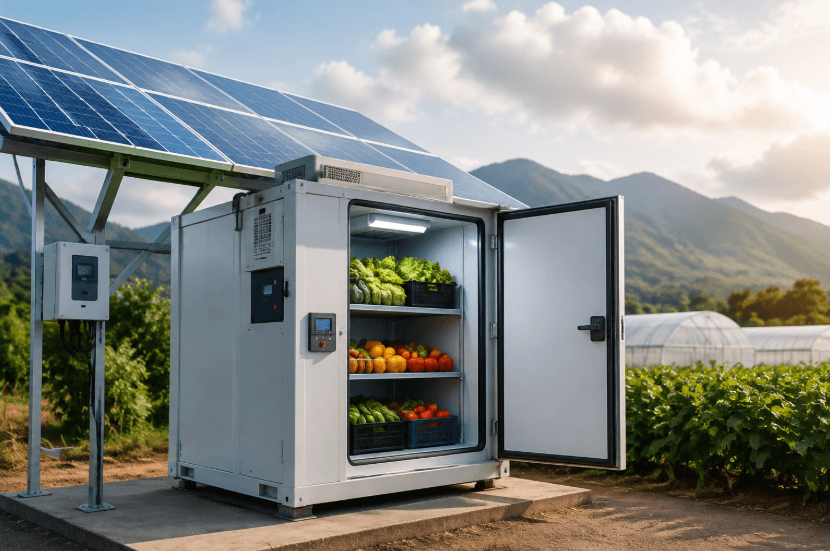
KilimoChills Solution, also based in Nairobi, developed a solar-powered modular cold storage system designed to reduce food losses and support small-scale food vendors.
Other African finalists include Rwanda-based Kumva Insights, which created the “Farm Smarter Platform,” an IoT-based system that collects and analyzes agricultural data to help farmers increase productivity and reduce waste.
Orienta’s “HVAD” smart glasses provide navigation and information access support for visually impaired users, while Uganda-based Team CannaSave developed a low-cost monitoring system to detect neonatal nasal cannula displacement and help maintain oxygen delivery for newborn patients.
Zambia-based Yaaka Investment Limited is also among the finalists with its e-waste recycling plant, which focuses on recovering valuable materials from discarded electronics while supporting sustainable recycling practices and green job creation.
Americas finalists advance sustainability and healthcare technologies
The ISHOW Americas finalists include ventures focused on environmental solutions, medical technologies, renewable energy, and sustainable manufacturing.
Aetheria, based in Maastricht, The Netherlands, developed “MonoFoam,” a mobile system designed to capture gases from discarded insulation foam while recovering materials for reuse and recycling.
Amel Energy of Amherst, Massachusetts, is developing “Amel Materials,” a PFAS-free binder and solvent platform intended as an alternative for lithium-ion battery manufacturing materials.
H2O Now, Inc., located in Wrenshall, Minnesota, created a portable water generator that combines solar power and refrigeration technology to provide potable and agricultural water in areas facing water shortages.
Houston-based Kinnections introduced the “Kinnections Glove,” a wearable device using controlled fingertip vibrations designed to support people living with Parkinson’s disease.
NeoTex of Kingston, Rhode Island, developed “Smart Onesie Technology,” a wearable infant garment with integrated sensors designed to help caregivers monitor infant health.
Seattle-based Ocean Made is working on “Kelp Pots,” biodegradable nursery pots designed to reduce plastic products and synthetic chemicals used in plant cultivation.
Tap Energy, based in Erie, Colorado, developed “Streamline,” an in-pipe micro-hydroelectric turbine system designed to convert excess pressure from industrial water lines into electricity.
Toronto-based WeavAir completed the Americas finalist group with its monitoring platform designed to collect environmental and infrastructure data for asset management and climate risk monitoring.
ASME prepares next stage of global innovation program
The selected 2026 ISHOW cohort will participate in the annual ISHOW Bootcamp during the winter, receiving customized design and engineering guidance from industry experts. Participants will also receive product development support and become part of the ISHOW alumni network, a global community of hardware innovators and technology stakeholders.
The ASME ISHOW India event is scheduled for September 3–4 alongside the ASME International Mechanical Engineering Congress and Exposition (IMECE) in Chennai, India. Ventures selected from the three regional events will join the final 2026 global cohort.
ASME said the program continues to support entrepreneurs developing practical hardware solutions that address critical social and environmental challenges worldwide. The organization also recognized its implementation partners and sponsors, including The Lemelson Foundation, for continued support of the ISHOW initiative and its mission to strengthen the global hardware innovation ecosystem.



:quality(85)/cloudfront-us-east-1.images.arcpublishing.com/infobae/45OXD2PP2VAWTFEPJZPEDWSDC4.jpg "The Ortega regime is closing embassies in cities with high immigrant populations, leaving thousands of Nicaraguans homeless.")