

The 92nd Street Y will host the Orpheus Chamber Orchestra alongside acclaimed pianist Jeremy Denk for a major spring concert event in New York, underscoring the continued global appeal of classical music institutions and their evolving collaborative models.
The performance is scheduled for Sunday, 29 March 2026 at 2pm on the David Geffen Stage at Kaufmann Concert Hall, located at 1395 Lexington Avenue. Tickets for the in-person event start at $60.
Positioned as a highlight of the spring concert season, the programme brings together two established names in the classical music sector for an all-Beethoven repertoire. The concert centres on the composer’s First Piano Concerto, widely regarded as a defining showcase of both technical precision and expressive range.
Organisers describe the event as follows: “In a summit of the spring concert season, two renowned favorites, Orpheus Chamber Orchestra and pianist Jeremy Denk, join forces for an all-Beethoven program. The centerpiece of their program is the composer’s First Piano Concerto — a fabulous showcase of Denk’s artistry and wit. Setting the stage for this 92NY concerto performance by Denk, Orpheus performs a new orchestration of the beloved “Pathétique” sonata. The perfect event for Beethoven enthusiasts and piano music lovers, alike.”
Programme and artistic direction
The programme reflects a curated approach to Beethoven’s work, blending orchestral arrangements with solo repertoire. It includes:
-
Allegretto from Piano Sonata No. 17 in D Minor, Op. 31, No. 2, “The Tempest” (orch. Z. Wadsworth)
-
Adagio molto e mesto from String Quartet No. 7 in F Major, Op. 59, No. 1, “Razumovsky” (orch. J. Wilson)
-
Piano Sonata No. 8 in C Minor, Op. 13, “Pathétique” (orch. S. Hong)
-
Piano Concerto No. 1 in C Major, Op. 15
The inclusion of newly orchestrated works reflects a broader trend within the classical music industry to reinterpret canonical compositions for contemporary audiences, extending their commercial and cultural lifespan.
A distinctive orchestral model
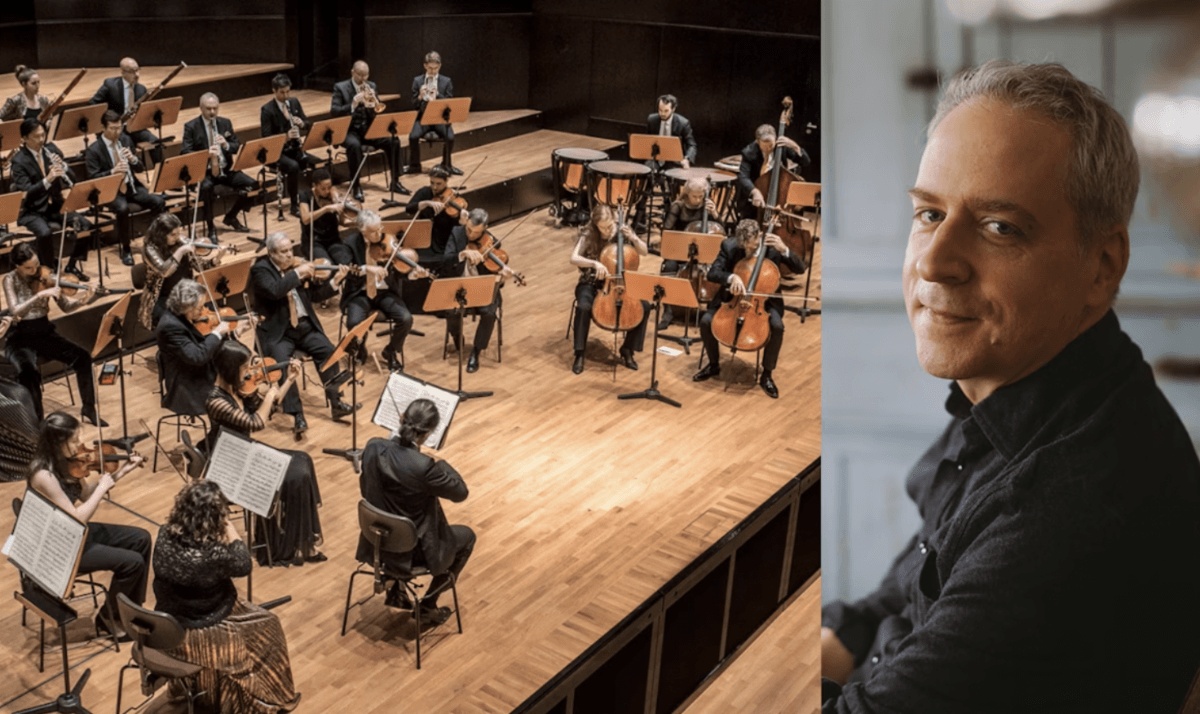
Founded in 1972, Orpheus Chamber Orchestra has built its reputation on a conductor-less structure, positioning itself as a long-standing experiment in collaborative leadership within the arts sector.
The organisation states: “Orpheus Chamber Orchestra is a radical experiment in musical democracy, proving for over fifty years what happens when exceptional artists gather with total trust in each other and faith in the creative process. Orpheus began in 1972 when cellist Julian Fifer assembled a group of New York freelancers in their early twenties to play orchestral repertoire as if it were chamber music. In that age of co-ops and communes, the idealistic Orpheans snubbed the “corporate” path of symphony orchestras and learned how to play, plan, and promote concerts as a true collective, with leadership roles rotating from the very first performance.”
This decentralised model has become a defining feature of the orchestra’s brand, aligning with wider shifts in organisational governance seen across creative industries.
Further emphasising its approach, the organisation adds: “The sound of Orpheus is defined by relationships, and guest artists have always been crucial partners in the process. Orpheus brings out the best in their collaborators, with bonds that deepen over time, as seen with artists and composers alike. Having proven the power of direct communication and open-mindedness within the ensemble, the only relationship Orpheus has never had any use for is one with a conductor.”
Community engagement and outreach
Beyond performance, Orpheus has developed a portfolio of community-focused initiatives aimed at broadening access to classical music. These include free concerts at Carnegie Hall, educational programmes for New York City public school students, and music-based support for individuals living with dementia.
The organisation notes: “At home in New York’s Carnegie Hall and in many concert halls around the world, Orpheus commits to enriching and reflecting the surrounding community. Orpheus for All ensures that every New Yorker can experience the thrill of a full-scale orchestral concert for free at Carnegie Hall. Orpheus Reflections™ brings the healing power of music to those living with dementia and their caregivers. Access Orpheus shares the orchestra’s collaborative process with 1,500 New York City Public School students, annually. Orpheus Leadership Institute connects musicians with global organizations and businesses to impart positive lessons of leadership and democracy.”
Jeremy Denk’s international profile
Jeremy Denk, one of the United States’ leading pianists, continues to maintain a high-profile international schedule. His 2025/26 season includes performances across major US cities, as well as international tours in South Korea and New Zealand.
His collaborations extend to leading orchestras and artists, including violinist Joshua Bell, and institutions such as the Chicago Symphony Orchestra and the New York Philharmonic.
In addition to his performance career, Denk is an established author and commentator on music. His memoir Every Good Boy Does Fine, published in 2022, achieved New York Times bestseller status, while his recordings have received critical acclaim and commercial success, including chart-topping releases and industry recognition.
As classical organisations increasingly balance heritage with innovation, the forthcoming 92NY performance highlights both the enduring appeal of Beethoven’s work and the evolving structures through which it is presented to global audiences.