

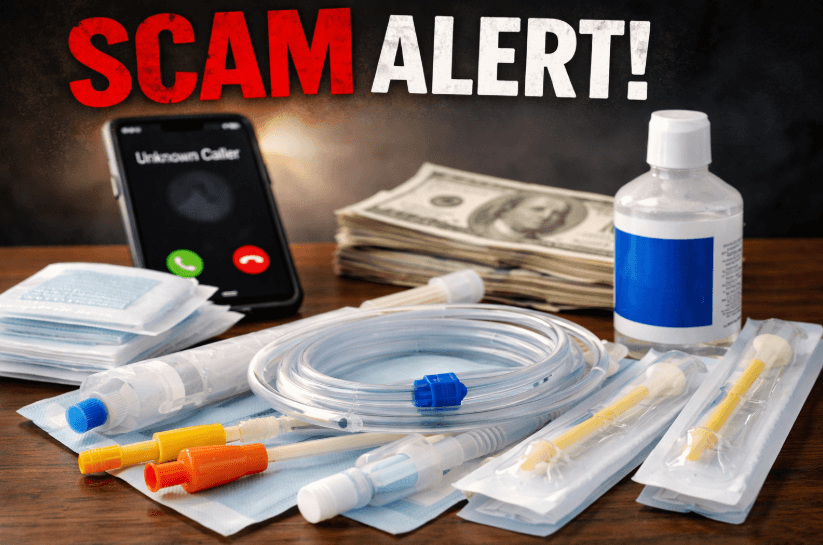
The Oklahoma Insurance Department’s Medicare Assistance Program (MAP) has issued a consumer alert warning of a growing medical billing scam targeting Medicare beneficiaries, with fraudulent claims for urinary catheter supplies already exceeding $135,000 in 2026.
Authorities said that since January 1, 2026, at least 12 Medicare recipients in Oklahoma have reported suspicious charges appearing on their Medicare Summary Notices (MSNs). The claims relate to more than 15,000 urinary catheters that were neither ordered nor received. Of the total billed amount, Medicare has paid $88,793.00, underscoring the financial scale of the fraud.
The alert highlights mounting concern among regulators that such schemes are becoming more sophisticated, exploiting both beneficiaries and systemic delays in claims visibility.
A key factor exacerbating the issue is a recent administrative change by the Centers for Medicare and Medicaid Services. MSNs are now distributed every six months rather than quarterly, creating a longer window during which fraudulent claims can go unnoticed.
“This means that people on Medicare may not see these false charges for several months, which delays any fraud report to Medicare.”
From a business and public finance perspective, delayed detection not only increases the risk of continued fraudulent billing but also complicates recovery efforts, placing additional strain on healthcare systems and taxpayer-funded programmes.
Anatomy of the scam
According to the department, the fraud typically begins with unsolicited outreach. Scammers contact individuals via phone calls, emails, or online advertisements, attempting to obtain Medicare identification numbers under false pretences.
“Scammers contact people through unsolicited phone calls, emails, or online ads to obtain Medicare numbers.
They then bill Medicare for medical supplies that were never ordered or delivered.
Claims may appear legitimate because they list a real or familiar provider’s name.
Many people don’t realize anything is wrong until they review their Medicare Summary Notice (MSN) or Explanation of Benefits (EOB).”
The use of legitimate provider names adds a layer of credibility to the claims, making detection more difficult for beneficiaries who may assume charges are valid.
Industry observers note that such tactics mirror broader trends in healthcare fraud, where identity theft and billing manipulation are used to exploit reimbursement systems.
Preventive measures and digital oversight
Officials are urging beneficiaries to take a more proactive role in monitoring their healthcare usage and billing records, particularly in light of the extended reporting cycle.
“Review your Medicare Summary Notice (MSN) or Explanation of Benefits (EOB) carefully. This is often the only way to catch this type of fraud.
Create a Medicare.gov account so you can see your claims information much sooner than waiting for the mailed Medicare Summary Notices. With a Medicare.gov account, you can see claims when they are processed instead of waiting six months.
Do not assume a charge is correct just because a doctor’s name is listed.
Never share your Medicare number or personal information with someone who contacts you unexpectedly.
Report charges for items you did not receive or that were not ordered by your doctor.”
The emphasis on digital access reflects a broader shift towards real-time oversight in healthcare administration, allowing beneficiaries to identify irregularities sooner and limit financial exposure.
Support and reporting channels
The Oklahoma Insurance Department is encouraging individuals who identify suspicious charges to seek assistance promptly.
“If you see suspicious charges or think your Medicare number has been misused, contact the Oklahoma Insurance Department’s Medicare Assistance Program (MAP). Trained counselors can help you review your statements and report potential fraud.”
The MAP helpline remains available at 800-763-2828 or 405-521-6628, with additional resources accessible via map.oid.ok.gov.
The department reiterated its commitment to consumer protection, stating that it aims to help residents better understand their Medicare benefits while safeguarding them from fraudulent activity.
As healthcare fraud continues to evolve, regulators and beneficiaries alike face increasing pressure to remain vigilant. The latest alert serves as a reminder that even routine administrative changes—such as extended reporting intervals—can have unintended consequences in the fight against financial crime.