


RALEIGH, N.C. — Food insecurity is worsening across central and eastern North Carolina, with nearly 630,000 people now struggling to consistently access enough food, according to an analysis of federal data that highlights growing pressure on households and the region’s hunger-relief network.
The Food Bank of Central and Eastern North Carolina is set to discuss the findings during a virtual State of Hunger Briefing on Tuesday, September 1, at 12 p.m. Food Bank President and CEO Amy Beros will provide an overview of the latest data and its implications for communities across the state, followed by a question-and-answer session.
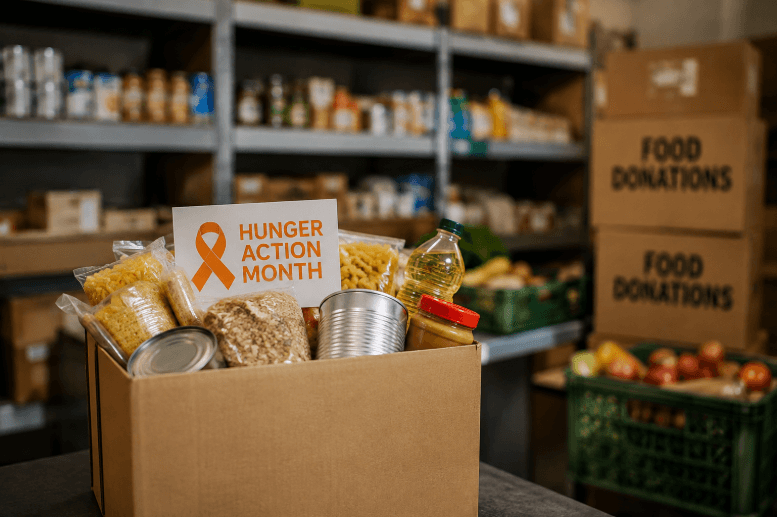
The briefing coincides with the beginning of Hunger Action Month, a national campaign focused on raising awareness about food insecurity and supporting households experiencing hunger.
Food Insecurity Reaches Nearly 630,000 People Across 34 Counties
According to Feeding America’s annual Map the Meal Gap analysis, which draws on data from the U.S. Department of Agriculture and U.S. Census Bureau, close to 630,000 people are experiencing food insecurity across the Food Bank’s 34-county service area in central and eastern North Carolina.
That represents an increase of nearly 180,000 people compared with figures from 2021, illustrating the scale of the challenge facing communities across the region.
The Food Bank says approximately one in seven people across its service area is now uncertain about where their next meal will come from. The situation is particularly significant among younger residents, with about one in five children experiencing food insecurity.
Food insecurity can create broader financial challenges for households as families balance spending on groceries with housing, utilities, transportation and other essential expenses.
Food Assistance Network Faces Rising Demand
The latest figures come as food pantries, meal programs and other hunger-relief organizations report increased demand for assistance.
The Food Bank of Central and Eastern North Carolina works through a network of more than 700 hunger-relief programs. According to the organization, local pantries and meal sites have experienced an increase in visits that is placing significant pressure on available resources.
The organization also points to federal funding cuts and eligibility changes as factors affecting assistance available to households at a time when the cost of food, housing and other necessities remains a concern for many families.
The combination of household financial pressures and increased demand is creating additional challenges for nonprofit organizations and community programs responsible for distributing food across the region.
Food Bank Calls for Community Support During Hunger Action Month
Beros said the latest figures reflect conditions already being observed by organizations working directly with residents.
“New data confirms what our neighbors, partners, and staff are already seeing every day: hunger is deepening across central and eastern North Carolina. Families are being squeezed by the rising cost of food, housing, and other essentials, while drastic cuts to federal hunger relief are removing critical support at the very moment it is needed most,” said Amy Beros, Food Bank President & CEO.
The Food Bank is using Hunger Action Month to encourage residents, businesses and community organizations to support hunger-relief efforts through donations, volunteering and public engagement.
“Our local hunger relief network is strong, but no food bank or local pantry can absorb a crisis of this scale alone. During Hunger Action Month, we need our community to stand with us — by giving, volunteering, speaking out, and reminding our elected leaders that access to healthy food is not optional. Together, we can meet this moment and ensure every neighbor has the nourishment and support they deserve.”
State of Hunger Briefing to Examine Latest Data
The State of Hunger Briefing will be held virtually through Microsoft Teams. The Food Bank plans to provide approximately 15 minutes of data analysis and context before opening the session to questions.
The discussion is expected to examine the latest food insecurity figures, increasing demand across the organization’s regional network and the challenges facing hunger-relief programs as they respond to more families seeking assistance.
With hundreds of thousands of residents across central and eastern North Carolina experiencing food insecurity, the new data places renewed attention on household financial pressures and the capacity of community organizations to meet growing demand.