


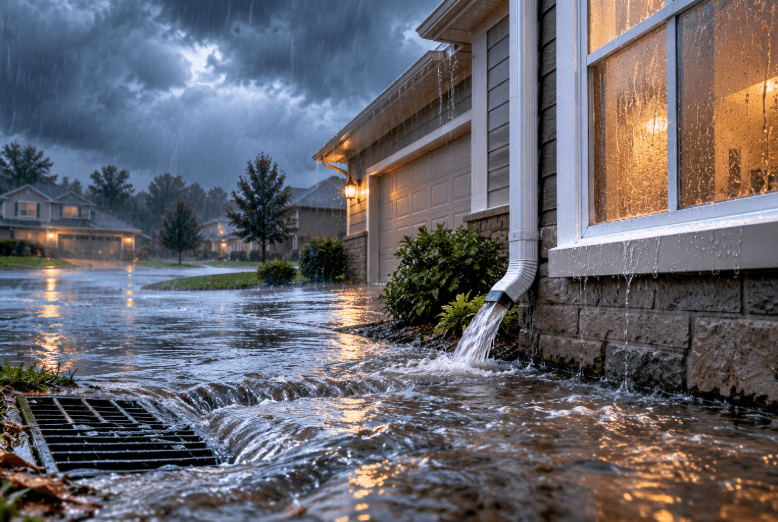
Periods of intense rainfall can expose vulnerabilities in homes that may otherwise go unnoticed, from small cracks around windows to clogged gutters and poorly designed driveway drainage. Flood restoration experts are urging U.S. homeowners to inspect their properties and address potential water-entry points before severe weather arrives.
Water Damage Specialist said homeowners do not necessarily need to live near a river or coastline to face water damage during periods of heavy rainfall.
“Many homeowners assume flooding only happens to properties located near rivers or coastal areas, but the reality is that flood damage can affect almost any home during periods of intense rainfall.
“Taking a few preventative measures can make all the difference when it comes to reducing the risk of costly flood damage, which is why it’s so essential that homeowners know what to look out for.”
Hairline Cracks Can Create Entry Points for Rainwater
Windows are among the areas homeowners should inspect closely, particularly for small cracks or deteriorating seals that could allow rainwater into the property.
“Hairline cracks around windows are one of the biggest signs that your home is susceptible to flood damage. While these may initially appear harmless, they can easily create entry points for water during heavy rainfall.
“When strong winds and heavy downpours occur, rainwater is driven against the exterior of a property with considerable force. Even the smallest gaps around windows can allow rainwater to quickly seep inside.
“Hairline cracks are typically very thin and surface-level and are often created by seasonal changes. Catching these early makes them much easier to repair before any long-lasting damage takes place, so it’s important to know what to look out for.
“It’s also crucial to identify any deep structural cracks around the windows, which are wider than 2mm. These often indicate broader structural issues that require professional attention as soon as possible.
“However, minor cracks can easily be remedied with simple DIY fixes, such as using caulk to seal any gaps and cracks around window frames.
“To do this, start by cleaning the area thoroughly before applying the caulk. Then, use masking tape along both sides of the crack to create straight lines with the caulk. Smooth with a slightly damp finger for a professional finish before allowing the caulk to dry completely, which is usually at least 24 hours.
“For larger gaps around the window, using filler can be another effective way to repair cracks. However, if it’s a particularly deep crack, then it’s important to apply the filler in layers to prevent the risk of shrinkage and poor adhesion.”
Peeling Paint and Condensation May Signal Water Problems
Visible moisture-related changes around windows can provide additional warning signs that a home’s exterior is no longer keeping water out effectively.
“Keep an eye out for peeling paint near windows, small damp patches on interior walls, or condensation forming between windowpanes. These issues indicate that the windows are no longer fully watertight and should be addressed as soon as possible to avoid flood damage.
“Drafts around windows or doors are also something to keep an eye on. These often indicate small gaps within the structure’s sealing, meaning that water can easily seep into the home during heavy rainfall.”
Sloping Driveways and Poor Drainage Increase Flood Concerns
The way rainwater moves across a property can also affect its vulnerability. Driveways that slope toward a home may direct substantial amounts of runoff toward doors, foundations and other potential entry points.
“Driveways that slope down toward a home can significantly increase the risk of flooding during heavy rainfall, particularly if the property also has poor drainage systems.
“When a driveway runs downhill toward the house, rainwater naturally follows the slope and is directed straight toward the property. During periods of intense downpour, large volumes of surface water can quickly accumulate and overwhelm the surrounding drainage systems.
“If there isn’t an effective drainage channel, grate, or soakaway in place to divert the water, it can begin to pool around the entrance of the home. Once water starts to collect in these areas, it only takes a small gap under a door or within the building’s foundations for water to begin entering the home.
“To reduce the risk, homeowners should make sure their driveway has proper drainage solutions in place. Installing trench drains or channel drains at the bottom of the slope can help capture and redirect water away from the property. In some cases, adjusting the grading of the driveway or adding a drainage soakaway can also help prevent water from being directed toward the home in the first place.
“Poorly maintained gutters and downspouts can also make a home more susceptible to flooding damage. If they are blocked by leaves, debris, or moss, water can overflow and run directly down walls or pool around the base of the house.
“When gutters become clogged, water that should be safely directed away from the home instead spills over the sides, resulting in internal flooding. This is why it’s so important for homeowners to ensure that drainage systems surrounding the property are thoroughly cleared before storms or heavy rainfall.”
Early Maintenance Could Help Limit Water Damage
Regular inspections of windows, gutters, downspouts and drainage areas can help homeowners identify smaller vulnerabilities before severe rainfall turns them into more expensive problems.
“Ultimately, the main causes of flooding damage start with small issues that people may initially overlook, whether that’s a cracked window seal or poor drainage around the property.
“Taking the time to identify and remedy small signs of damage as soon as possible can end up saving homeowners a considerable amount of money in the long run.”



:quality(85)/cloudfront-us-east-1.images.arcpublishing.com/infobae/45OXD2PP2VAWTFEPJZPEDWSDC4.jpg "The Ortega regime is closing embassies in cities with high immigrant populations, leaving thousands of Nicaraguans homeless.")