

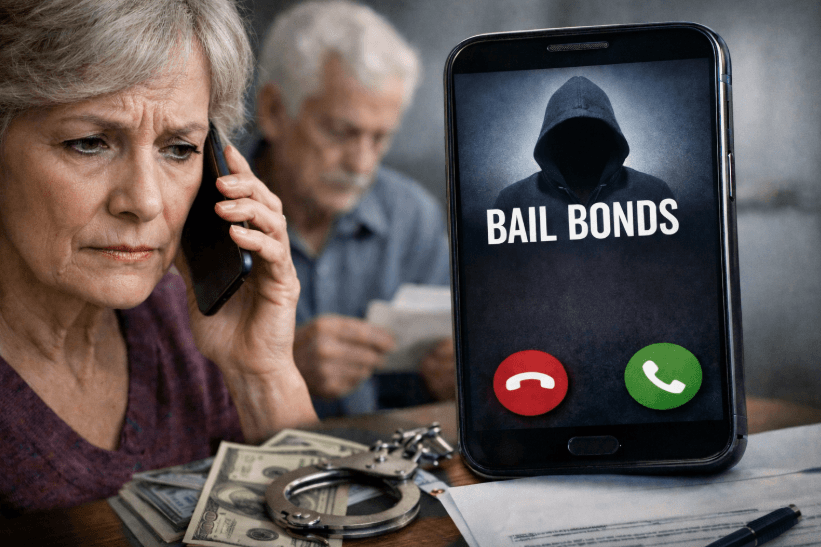
The Oklahoma Insurance Department (OID) has issued a consumer alert warning of a rise in fraudulent phone calls from individuals posing as bail bond agents, in a scheme designed to pressure families into making immediate payments under false pretences.
According to the regulator, the scam typically involves callers claiming that a relative of the recipient has been arrested and requires urgent funds to secure release from custody. Victims are then instructed to transfer money quickly—often through digital payment platforms such as Cash App, prepaid gift cards, or similar electronic methods—before they have an opportunity to verify the legitimacy of the claim.
The warning reflects growing concern among authorities about the sophistication and emotional manipulation used in such scams, which rely heavily on urgency and distress to override normal caution. In many cases, fraudsters exploit the fear of legal trouble involving a loved one, creating a high-pressure environment that leads victims to act impulsively.
“We’re urging consumers to be skeptical of anyone calling and demanding money,” Insurance Commissioner Glen Mulready said. “Always fact-check these calls by contacting the parties involved, and never send them money.”
The OID emphasised that legitimate bail bond agents and law enforcement officials do not typically request immediate payment via unconventional or untraceable channels. Requests involving gift cards or peer-to-peer payment applications are widely recognised as red flags in fraud prevention guidance.
Key warning signs identified
The department outlined several common indicators associated with these scam calls. These include receiving a call from an unfamiliar or unrecognised number, as well as claims that a loved one has been arrested and requires urgent financial assistance.
Additional warning signs include demands for immediate payment, particularly where the caller discourages verification or independent contact with authorities. Requests for payment via Cash App, gift cards, or similar methods are also highlighted as suspicious, especially when framed as necessary for “GPS Monitoring” or other bond-related administrative fees.
The inclusion of technical-sounding charges such as monitoring fees is intended to add credibility to the scam, but officials stress that such claims should be independently verified before any action is taken.
Guidance for consumers
In response to the threat, the OID has issued a set of precautionary measures aimed at helping consumers avoid falling victim to such schemes. Individuals are advised to contact the relevant jail directly using an official phone number to confirm whether an arrest has actually occurred.
Further verification should be sought through licensed bail bond companies or official law enforcement channels, rather than relying on information provided by unsolicited callers. The department also reiterates that consumers should never send money or disclose financial information to unknown individuals under pressure.
Victims or those who suspect they have been targeted are encouraged to report incidents promptly to local law enforcement agencies. Early reporting can assist in tracking patterns of fraudulent activity and may help prevent further cases.
Broader implications
While the alert is specific to Oklahoma, the nature of the scam reflects a broader trend in financial fraud, where criminals increasingly use impersonation tactics combined with digital payment systems to exploit victims. The cross-border nature of such schemes also raises concerns for regulators and financial institutions globally, including in the United Kingdom, where similar fraud typologies have been reported.
Consumer protection bodies continue to stress the importance of vigilance, particularly when dealing with unsolicited communications involving financial requests. The combination of emotional manipulation and technological convenience has made such scams both effective and difficult to trace.
For further information or assistance, consumers can contact the Oklahoma Insurance Department directly at 800-522-0071 or visit its official website at oid.ok.gov.