

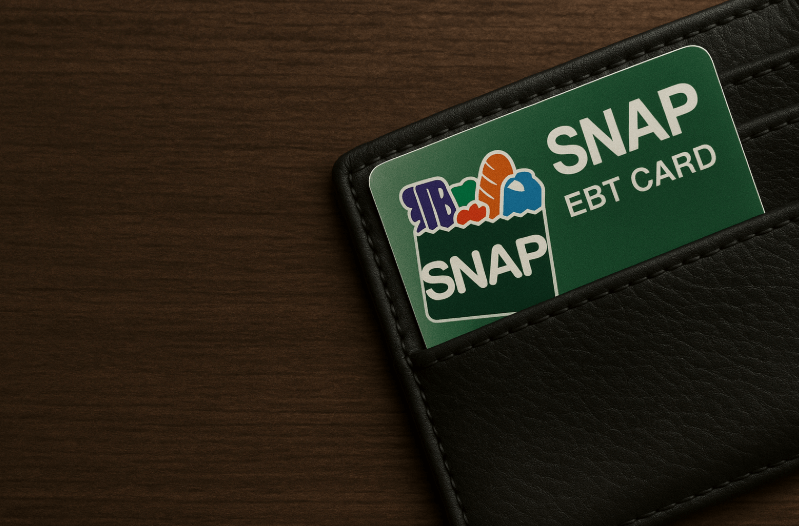
The United States government shutdown has begun to ripple through state services, with Oklahoma officials confirming that federal funding for the Supplemental Nutrition Assistance Program (SNAP) will be suspended from 1 November 2025. The development could affect more than 684,000 residents who depend on monthly food benefits to feed their families.
Oklahoma Human Services (OKDHS) announced that it had been formally notified by the United States Department of Agriculture (USDA) of the impending halt to programme funding. The suspension follows the ongoing federal government shutdown that began on 1 October after Congress failed to agree a budget for the 2026 fiscal year.
Impact on Households
The agency said that SNAP households can continue using existing funds on their Electronic Benefit Transfer (EBT) cards until the end of October. Beyond that, however, the situation remains uncertain.
“SNAP households can currently continue using existing funds on EBT cards until October 31, 2025,” the statement said. “The ability to use existing funds after October 31, 2025, remains unclear. Oklahoma Human Services urges households to plan ahead and carefully budget.”
With more than half a million Oklahomans relying on SNAP to supplement their food purchases, the loss of federal funding poses a serious challenge for low-income families across the state. Food banks and local charities are expected to experience a surge in demand if the shutdown extends beyond October.
Federal Deadlock Continues
The shutdown, which began at the start of the month, was triggered when lawmakers in Washington failed to reach a budget agreement before the start of the new fiscal year. The impasse has caused large-scale disruption to federally funded programmes and services across the United States, including those administered by state governments.
According to OKDHS, the suspension of SNAP funding will remain in place until Congress reaches a budget resolution and the federal government reopens. Analysts warn that even a short interruption could have a lasting effect on food security and consumer spending in states with high participation in the SNAP scheme.
Economists note that while the United Kingdom operates under a different welfare framework, such disruptions in the US can have indirect implications for international markets. Prolonged fiscal uncertainty in the world’s largest economy may weigh on global investor confidence and currency stability.
Fraud Prevention and Safeguarding Advice
In addition to urging recipients to budget carefully, OKDHS is warning households to take precautions to protect their remaining benefits from electronic theft.
“SNAP households are encouraged to protect their existing funds from fraud by locking their EBT cards when not in use. EBT benefits that are electronically stolen will not be refunded,” the agency advised.
Reports of EBT card skimming and cloning have risen in recent months across the United States, prompting state agencies to introduce new measures to safeguard public benefits. The warning from Oklahoma officials underscores growing concerns about digital fraud targeting welfare systems reliant on electronic disbursement.
Community Response and Local Support
Beyond financial guidance, OKDHS has appealed to the wider community to show solidarity during the shutdown.
“OKDHS encourages all Oklahomans to support their neighbors, especially as we navigate this uncertain time,” the agency said. “Please visit Be a Neighbor (oklahoma.gov/okdhs/beaneighbor.html) for local community resources. OKDHS remains committed to clear, consistent communication as additional guidance from USDA is made available.”
Community organisations across Oklahoma are expected to play a critical role in supporting vulnerable families should the funding suspension continue into November. Many food assistance charities are preparing emergency outreach initiatives in coordination with local authorities.
Wider Implications
The halt in SNAP funding highlights the far-reaching consequences of federal gridlock on everyday life in the United States. For Oklahoma, where nearly one in six residents depends on food assistance, the uncertainty threatens to exacerbate existing pressures on household budgets.
While the situation remains fluid, officials have emphasised that communication channels will remain open as further updates are received from the USDA. Until then, households are being urged to plan cautiously and remain vigilant against potential fraud.
The outcome of the congressional negotiations will determine how long the disruption persists — and how deep its impact will be on families across the state.