

Veterans Affairs Secretary Doug Collins has completed a high-level visit to Oklahoma, highlighting efforts to expand healthcare access, modernise infrastructure, and strengthen partnerships aimed at improving outcomes for veterans.
The multi-city tour, covering Oklahoma City, Tulsa, and Muskogee, underscored a strategic focus on service delivery, innovation, and community engagement. The visit also provided a platform for recognising frontline staff and reviewing programmes designed to support veterans’ physical and mental wellbeing.
In Oklahoma City, Collins began with a visit to a local Vet Center, where he engaged with counsellors and staff delivering community-based services. Discussions centred on support systems that help veterans adjust to civilian life, including mental health resources and outreach initiatives.
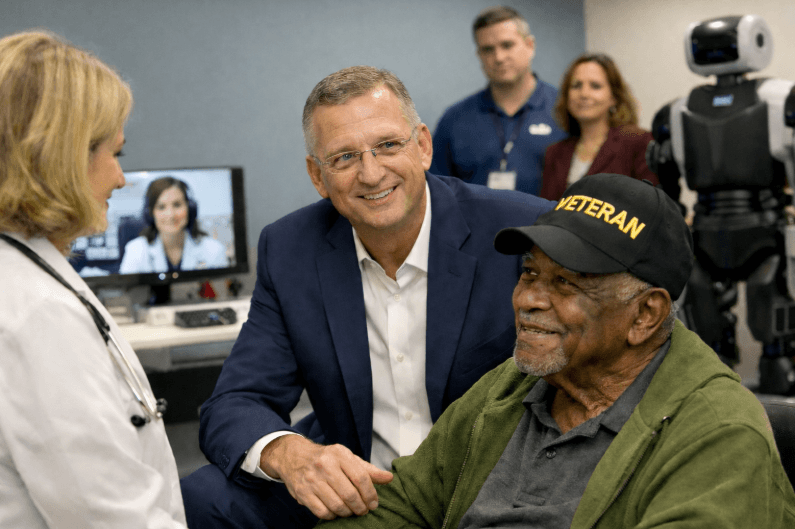
He then toured the Oklahoma City VA Medical Center, where leadership outlined advancements in surgical and intensive care capabilities. During the visit, Collins recognised employees for their contributions to patient care, reinforcing the department’s emphasis on workforce excellence.
Officials also highlighted a housing initiative that repurposes a former city-owned assisted living facility to accommodate homeless veterans. The programme has attracted attention as a potential model for other regions seeking scalable solutions to veteran homelessness.
The visit brought together federal and state stakeholders, reflecting ongoing collaboration to improve access to healthcare services. Engagements focused on aligning resources and policies to better serve veterans across Oklahoma.
A key component of the visit included a Tribal Veteran Town Hall held at the Chickasaw Nation Community Center. The forum brought together tribal leaders and veteran representatives to discuss ways to enhance communication, expand access to services, and ensure care delivery reflects cultural understanding. Broader policy topics, including suicide prevention and outreach strategies, were also addressed.
Collins delivered a clear message to veterans during his visit, stating: “Don’t let anyone tell you that you are ‘getting’ something from VA, you earned it!”
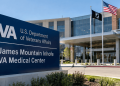
In Tulsa, Collins toured the newly developed James Mountain Inhofe VA Medical Center, a facility set to play a central role in regional healthcare delivery. The site features advanced diagnostic technology, including a modern MRI suite, which is expected to support faster and more accurate diagnoses.
He also visited a local Vet Center in Tulsa, where staff demonstrated programmes designed to support mental health through creative expression. Initiatives such as guitar therapy sessions and poetry workshops form part of a broader approach to holistic care, integrating non-traditional methods into recovery pathways.
The final stop took place in Muskogee, where Collins reviewed operations at the VA Medical Center and discussed its future role within the regional network. As services evolve with the expansion of facilities in Tulsa, plans are in place to maintain essential services in Muskogee, including emergency and mental health care, ensuring continued support for veterans in the surrounding area.
Addressing the future of the facility, Collins emphasised continuity and legacy, stating that while services may change, “the legacy will live on in Muskogee” – even 100 years after the facility first opened its doors.
Alongside the regional focus, Collins outlined broader national developments within the Department of Veterans Affairs. These include the expansion of healthcare infrastructure, with dozens of new facilities opened to increase access to care across the country.
Efforts to improve administrative efficiency have also been prioritised, with reported reductions in the backlog of benefits claims. Additionally, expanded appointment availability outside standard hours has been introduced to offer veterans greater flexibility in accessing care.
Significant capital investment remains central to the department’s strategy, with plans to allocate substantial funding towards upgrading and maintaining healthcare facilities. This investment is intended to support long-term service capacity and improve patient experience.
Operational performance has also shown growth, with increased volumes of direct care appointments and community referrals. Housing initiatives have delivered measurable outcomes, with tens of thousands of homeless veterans supported through permanent housing solutions.
Overall, the visit reflects a continued emphasis on modernisation, accessibility, and partnership-driven delivery. As the VA advances its infrastructure and service capabilities, the focus remains on meeting the evolving needs of veterans while maintaining continuity of care across established and emerging facilities.