


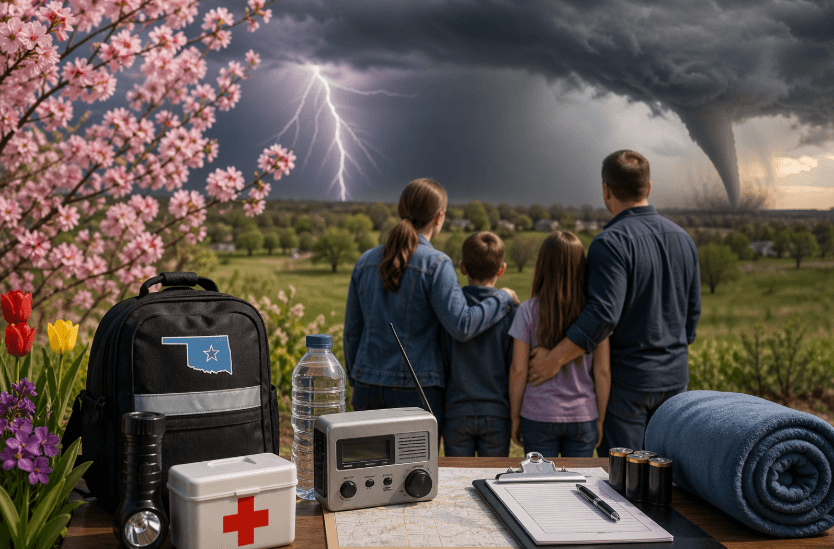
Homeowners across Oklahoma are being urged to take proactive steps to protect their properties and manage rising insurance risks as the state enters its peak severe weather season, with officials highlighting both financial and safety benefits of early preparation.
In a seasonal advisory, Glen Mulready set out a series of practical measures aimed at reducing damage exposure from hail, high winds and tornadoes—hazards that typically intensify in spring months and carry significant implications for insurers and property owners alike.
“April brings more than spring flowers to Oklahoma. Severe weather, including hail, damaging winds, lightning and tornadoes, can also occur. But we don’t have to be afraid! Let’s see ourselves as prepared, not as potential victims. A few simple steps now can make a big difference later.”
The guidance comes amid continued pressure on home insurance premiums in catastrophe-prone regions, where mitigation efforts are increasingly tied to cost savings and underwriting decisions.
Grant programme targets roof resilience and premium savings
At the centre of the state’s strategy is the Strengthen Oklahoma Homes Program, which offers eligible homeowners grants of up to $10,000 to upgrade roofing systems to more resilient standards.
“First, let’s talk about protecting your most valuable asset. The Strengthen Oklahoma Homes (SOH) Program is open to homeowners statewide. You could qualify for a $10,000 grant to fortify your roof, reduce the impact of events, and save on insurance. Homeowners are seeing an average annual premium savings of almost $800! Get started by visiting oid.ok.gov/okready. Review qualifications, gather documents, and apply. Don’t miss this opportunity to boost your resilience before severe weather strikes.”
Officials say the programme reflects a broader shift within the insurance sector towards incentivising loss prevention, rather than relying solely on post-event claims.
Documentation and digital tools streamline claims process
Mulready also emphasised the operational importance of maintaining accurate home inventories, noting that documentation can materially speed up claims processing following a loss event.
“Having an inventory on hand will save you time if you need to file a claim. You can use a physical inventory. I highly recommend downloading the app from the National Association of Insurance Commissioners (NAIC). Document your home and belongings by taking photos and videos and writing down serial numbers. If you opt for a physical inventory list, scan it, keep a physical copy in a safe place, and upload a digital copy to a secure cloud service.”
The recommendation aligns with industry-wide digitisation trends, where insurers increasingly rely on verifiable data to validate claims and reduce processing delays.
Emergency planning seen as critical risk management
Beyond financial preparation, the advisory places strong emphasis on household-level emergency planning, particularly in a region regularly exposed to extreme weather events.
“If you don’t have a home safety plan, create it. Update your current plan if you have one. Make sure you have multiple ways to receive alerts and that your emergency contacts are up to date. Designate your safe places for different disaster scenarios, such as tornadoes, floods and wildfires. Take this opportunity to clean out your storm shelter. Don’t forget to factor in your loved ones’ unique needs.”
Preparedness at this level is increasingly viewed by insurers as a key factor in reducing both human and financial loss, particularly in high-risk zones.
‘Go-bag’ readiness and policy clarity highlighted
Mulready further advised households to prepare emergency “go-bags” to enable rapid evacuation where necessary, alongside ensuring a clear understanding of insurance coverage.
“For your go-bag, have copies of important documents, identification, insurance policies, cash, nonperishable food and water ready to go. Pack safety items like masks, gloves, a flashlight, a battery-powered radio, a phone charger, and a power bank for electronic devices. When watches or warnings are issued, add clothing and any last-minute necessities so you’re ready to leave at a moment’s notice.”
“Take time to understand your policy. Know your deductible and whether your home is covered for actual cash value or replacement cost. Talk to your agent about whether your coverage reflects today’s rebuilding costs. Depending on where you live, you may also need separate flood or earthquake coverage.”
Such measures are particularly relevant as rebuilding costs continue to fluctuate, affecting coverage adequacy and claim outcomes.
Industry support and consumer guidance
The Oklahoma Insurance Department has positioned itself as a key support channel for consumers navigating policy questions and claims during the storm season.
“Severe weather season is here, but preparation puts you in control. If you need help with insurance questions or claims, please reach out to the Oklahoma Insurance Department (OID) at oid.ok.gov or at 800-522-0071. For additional preparedness information, head to oid.ok.gov/GetReady.”
With extreme weather events continuing to test both infrastructure and insurance systems, officials say early action by homeowners could play a decisive role in limiting both personal and economic impact in the months ahead.




/cloudfront-us-east-1.images.arcpublishing.com/eluniverso/ESZCYCVTMHULRF4XLKFETXEN2U.jpg "The phrase about the origins of Argentina, Brazilians and Mexicans is critical of President Alberto Fernandez. International | News")