

OKLAHOMA CITY — Oklahoma continues to face some of the highest levels of hail-related roof damage in the United States, according to a new national roofing report from Verisk, highlighting growing concerns over property repair costs and the need for greater investment in home resilience measures.
The report found that nearly half of all roofs in Oklahoma have been impacted by severe hail over the past four years, making the state the most affected in the nation. The findings come as homeowners and insurers contend with rising costs linked to increasingly frequent convective storms and severe weather events.
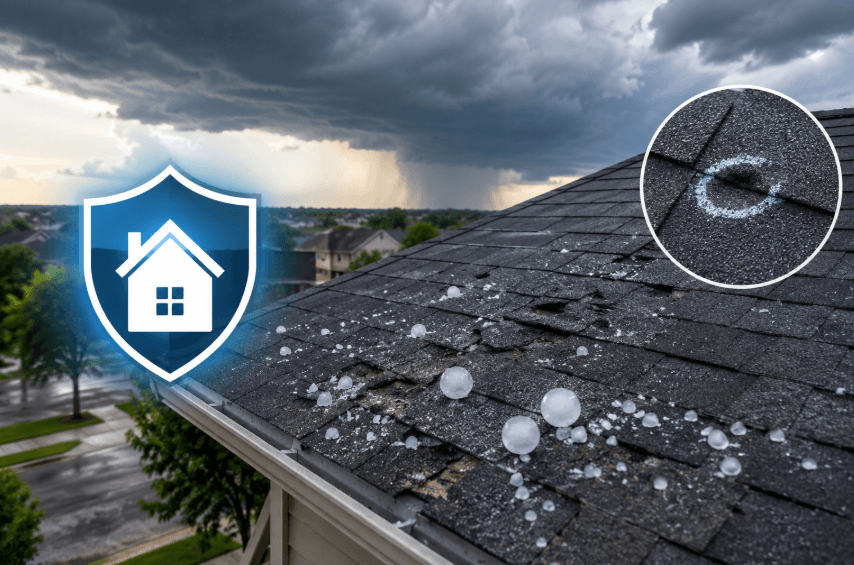
Data from Verisk showed that 49.7% of Oklahoma roofs sustained severe hail damage between 2021 and 2025, the highest rate recorded nationwide. In 2025 alone, the impact was even more pronounced, with 64.7% of roofs across the state affected by severe hail, placing Oklahoma well ahead of other states facing similar weather risks.
The report also highlighted the growing financial burden associated with roof repairs and replacements. Average roof replacement costs reached $17,631 in 2025, representing a 33% increase compared with recent years. Industry experts have attributed rising costs to a combination of more frequent weather-related damage, higher material prices and increasing labour expenses.
Another concern identified in the report is the ageing condition of residential roofing stock. Nearly 29% of homes with asphalt-shingle roofs now have fewer than four years of useful life remaining. Verisk noted that roofs with less than five years of remaining lifespan can experience up to 50% more damage during severe weather events, increasing the likelihood of costly repairs or complete replacement.
The findings suggest that the increasing frequency of hailstorms and other severe weather incidents is playing a significant role in driving insurance claims and property repair costs higher across the state.
In response to these challenges, state officials have continued to promote mitigation efforts aimed at strengthening homes against severe weather. One of the key initiatives is the Strengthen Oklahoma Homes (SOH) programme, which incorporates the Insurance Institute for Business & Home Safety’s FORTIFIED™ standards for resilient roofing construction.
The programme is designed to help homeowners improve the durability of their properties while potentially lowering long-term maintenance and insurance expenses.
According to data cited alongside the report, FORTIFIED™ and similar resilient roofing standards have demonstrated significant benefits. Studies indicate they can reduce wind-related damage by between 40% and 70%, while cutting storm-related insurance claim frequency by 55% to 74%.
In addition to reducing damage, resilient roofing systems have been associated with an increase in home resale value of approximately 6.8%. The standards are also reported to add only around 0.56% to overall construction costs, providing what supporters describe as substantial long-term financial benefits.
Insurance Commissioner Glen Mulready said the report reinforces the value of investing in mitigation measures before severe weather strikes.
“This report shows that mitigation not only works but also helps homeowners save money in the long term and generate more value for their homes,” Insurance Commissioner Glen Mulready said. “Homeowners are saving an average of $720 per year on their insurance. Don’t miss your chance to receive a grant of up to $10,000 through the SOH program to unlock these savings.”
The Strengthen Oklahoma Homes programme has expanded steadily since its launch earlier this year. State officials reported that more than $4 million has been invested through the initiative since early 2025, resulting in the installation of approximately 400 FORTIFIED™ roofs across Oklahoma.
As weather-related risks continue to place pressure on homeowners, insurers and local communities, the latest findings are likely to intensify discussions around resilience-focused construction and mitigation strategies. Supporters argue that strengthening homes before storms occur can reduce future losses, lower insurance costs and improve the long-term value of residential properties.
With severe hail events becoming an increasingly costly challenge, the Verisk report suggests that proactive investment in stronger roofing systems may play an important role in helping Oklahoma homeowners better withstand future storms while limiting financial exposure.