


The U.S. Environmental Protection Agency is moving forward with two significant cleanup milestones at the Kerr-McGee Chemical Corp. Superfund Site in Navassa, North Carolina, advancing remediation efforts designed to address contaminated areas while supporting the community’s long-term redevelopment goals.
EPA Region 4 announced developments involving two sections of the property, known as Operable Unit 3 and Operable Unit 4 North. The agency has released a proposed cleanup plan for the tidal marsh within OU3 and finalized its cleanup approach for OU4 North.
The actions represent another stage in the environmental restoration of the property on North Navassa Road, where cleanup planning has focused on contamination associated with the former wood-treating facility.
Public Comment Period Opens for OU3 Cleanup Proposal
The EPA has opened a 30-day public comment period covering the proposed cleanup plan for Operable Unit 3. The comment period runs from August 14 through September 15, 2026, giving residents and other interested parties an opportunity to provide feedback before the agency makes its final decision.
As part of the public engagement process, the EPA will hold a hybrid public meeting on Tuesday, August 18, from 6 p.m. to 8 p.m. EDT.
The in-person portion of the meeting will take place at the Navassa Community Center, 338 Main Street in Navassa. A virtual option will also be available, with advance registration required for participants who want to attend remotely.
During the meeting, EPA representatives are expected to discuss the final cleanup plan for Operable Unit 4 and present the proposed plan for OU3. Officials will also answer questions from community members.
EPA Proposes Targeted Cleanup of 31.7-Acre Tidal Marsh
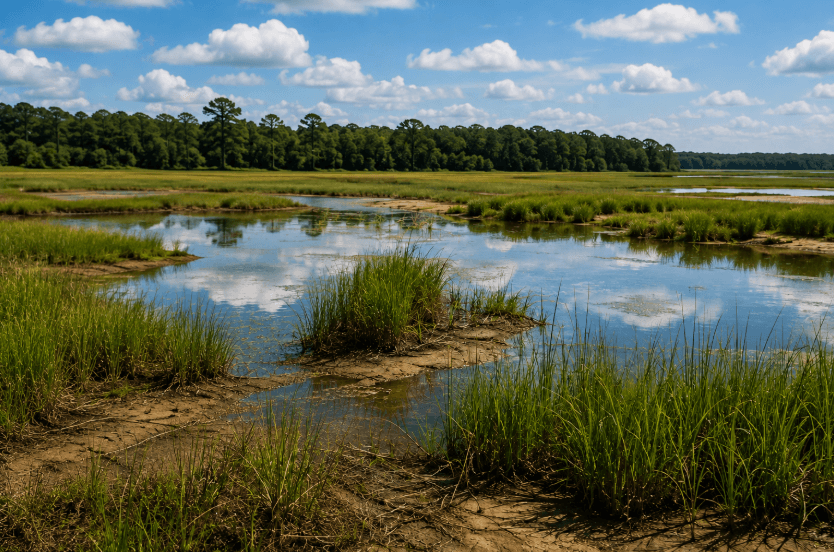
Operable Unit 3 consists of approximately 31.7 acres of tidal marsh located south of the former wood-treating facility. Working in consultation with the North Carolina Department of Environmental Quality, the EPA developed different remediation strategies based on contamination levels across specific portions of the marsh.
Zone 1 covers approximately 0.5 acres identified as having high contamination. Under the proposed approach, approximately 3,000 cubic yards of contaminated sediment would be removed. The material would be treated as necessary and transported for safe disposal at an approved off-site landfill.
Zones 2 and 3 encompass a combined 4.2 acres where contamination is considered moderate to low. Instead of removing large quantities of sediment, the EPA is proposing Enhanced Monitored Natural Recovery, or EMNR.
The approach would include placing a thin layer of clean sediment over affected areas and supporting natural recovery processes. Potential measures include phytoremediation, which uses plants as part of the remediation process, and adjustments to water flows intended to reduce erosion.
According to the proposed plan, the remaining 27 acres of the OU3 marsh would require no cleanup action.
Final Cleanup Plan Selected for OU4 North
The EPA has also reached a final decision regarding Operable Unit 4 North, another portion of the Kerr-McGee Superfund property.
On March 31, 2026, the agency issued a Record of Decision selecting its final cleanup plan for OU4 North after reviewing community feedback. The selected approach emphasizes both remediation and the potential future reuse of the property.
The EPA described the plan as community-supported and reuse-focused, establishing a cleanup path intended to prepare the area for possible future community redevelopment.
Cleanup Efforts Support Long-Term Redevelopment
The final decision for OU4 North, combined with the proposed remediation strategy for the OU3 tidal marsh, marks continued progress in the broader cleanup and revitalization of the former industrial property.
For Navassa, the latest actions also connect environmental remediation with longer-term land-use considerations. The public comment period and hybrid meeting will provide another opportunity for residents and stakeholders to participate as the EPA determines the final cleanup approach for the OU3 marsh.