


The second cohort of volunteers from the AmeriCorps National Civilian Community Corps (NCCC) Forest Corps programme has graduated, marking a further expansion of a workforce pipeline aimed at tackling wildfire risk and supporting long-term forest management across the United States.
A total of 45 participants completed their service term and were recognised at a graduation ceremony held on 7 April in Sacramento, California. The initiative, delivered by AmeriCorps NCCC in partnership with the USDA Forest Service, is designed to equip young people with technical forestry skills while addressing environmental resilience and public land stewardship.
Launched in 2024, Forest Corps represents a targeted investment in workforce development within the environmental and land management sectors. The programme combines vocational training with field deployment, positioning participants for careers in forestry, wildfire response, and conservation-related industries.
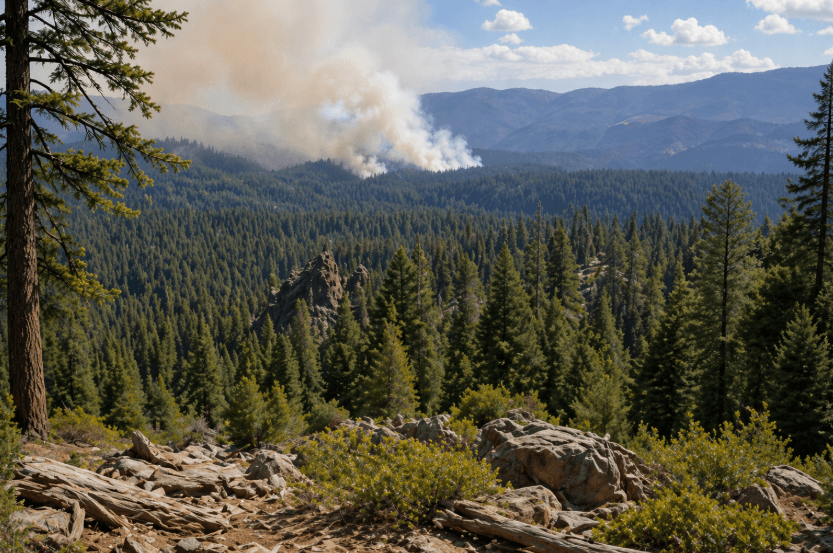
Volunteers are mobilised nationwide to undertake practical assignments including wildfire mitigation, reforestation, timber preparation, and active fire response. Their work includes constructing firebreaks, conducting controlled burns, and supporting nursery operations—activities that are increasingly critical as climate pressures intensify wildfire frequency and severity.
Since inception, the programme has operated across 12 states and 34 forest sites or nurseries, delivering nearly 136,000 hours of national service and graduating 117 volunteers. The latest cohort alone contributed more than 57,000 hours across the western United States, reflecting both the scale of operations and the demand for trained personnel.
Skills development and employment outcomes highlight programme impact
Over the past year, the second cohort was deployed in seven teams across 29 projects spanning 22 national forests in 10 states. Participants gained industry-recognised certifications, including chainsaw operation credentials, training in wildland fire behaviour, and Red Card certification—qualifying them as Type-2 firefighters.
Beyond technical training, the programme emphasises resilience, teamwork, and operational readiness under challenging field conditions. Volunteers reported that hands-on experience and rigorous training significantly enhanced their employability within the land management sector.
“The second cohort of AmeriCorps NCCC Forest Corps Volunteers has impressed us all with their dedication and flexibility,” said Ken Goodson, Director of AmeriCorps NCCC. “These teams earned chainsaw certifications, learned to dig fire lines, supported timber harvesting and management, and managed prescribed burns, which will keep communities safe for decades. They prepared land for timber harvests and nurtured young nursery trees to support national reforestation efforts. Through harsh weather and logistical challenges, they remained agile and passionate. These young people will graduate as trained wildland firefighters, ready to contribute meaningfully to preserving our nation’s natural resources. We are proud of everything they’ve accomplished in the past ten months, together with our outstanding partners in national forests around the nation.”
The programme’s employment outcomes further underline its role as a career pathway. Among the graduating cohort, 76% reported readiness to enter the workforce, with 60% already securing roles in wildfire response, forestry, trail construction, and related environmental trades. This aligns with broader labour market demand for skilled workers in climate resilience and natural resource management.
Participants also highlighted the value of transferable professional skills developed during the programme. “Forest Corps has helped me develop professional skills, such as networking and resume-building,” said Haven Holcomb, an AmeriCorps Volunteer with this cohort. “It has helped me earn certifications, complete trainings, and has boosted my confidence in my own abilities in outdoor work, team-building, conflict resolution, and leadership.”
Strategic relevance for environmental workforce development
From a business and policy perspective, Forest Corps reflects a growing emphasis on workforce readiness within the environmental sector, particularly as governments and agencies scale up responses to climate-related risks. Programmes such as this not only address immediate operational needs—such as wildfire mitigation—but also contribute to a longer-term talent pipeline.
The combination of federal partnership, structured training, and measurable employment outcomes positions Forest Corps as a replicable model for public service-driven workforce development. Its integration of practical fieldwork with certification-based learning offers a clear route into both public and private sector roles linked to environmental stewardship.
As climate challenges continue to reshape labour demands, initiatives like Forest Corps are likely to play an increasingly prominent role in bridging skills gaps while delivering tangible environmental and community benefits.




/cloudfront-us-east-1.images.arcpublishing.com/eluniverso/ESZCYCVTMHULRF4XLKFETXEN2U.jpg "The phrase about the origins of Argentina, Brazilians and Mexicans is critical of President Alberto Fernandez. International | News")