


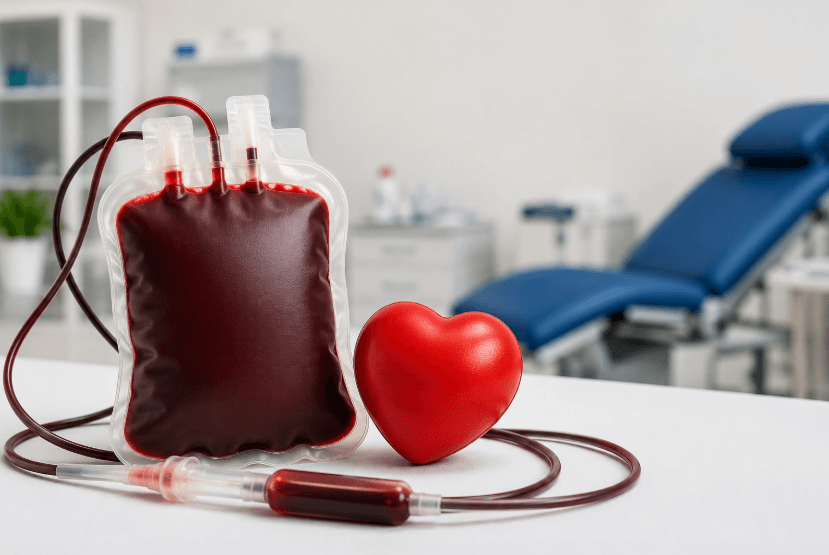
Our Blood Institute is encouraging eligible donors to help strengthen the regional blood supply through its Blood Moon promotion, running from August 23 through August 31 at OBI donor centers and mobile blood drives.
The campaign is aimed at maintaining a reliable supply of blood for hospitals and patients who depend on donations for emergencies, surgeries, cancer treatments and routine medical care. The organization said donations collected during the promotional period can help support blood inventories for weeks after the campaign concludes.
Blood Moon Promotion Highlights Ongoing Need for Donations
While the Blood Moon is an occasional event, the need for donated blood continues throughout the year. Hospitals require blood products to be available before emergencies occur, making consistent donations important for maintaining adequate inventories.
Our Blood Institute said contributions made during the campaign will help ensure hospitals have access to blood when patients need transfusions and other lifesaving care.
“Blood donors bring the energy that keeps our blood supply strong,” said Dr. John Armitage, president and CEO of Our Blood Institute. “When donors step up, they help make sure patients have the blood they need when every second counts.”
Blood donations support a wide range of medical needs, from patients experiencing traumatic injuries to those undergoing surgical procedures or receiving cancer treatment. Maintaining sufficient supplies requires blood collection organizations to continually attract both returning and first-time donors.
Donors Offered Blood Moon T-Shirt and Other Incentives
As part of the promotion, donors who give blood at an OBI donor center or mobile blood drive between August 23 and August 31 will receive several incentives while supplies last.
Participants will receive a limited-edition Blood Moon T-shirt and a Moon Pie. Donors will also be eligible for a complimentary ticket to the theme park of their choice, with options including Frontier City, Hurricane Harbor or Magic Springs Theme and Water Park.
The promotional campaign is intended to encourage additional donations during the nine-day period while drawing attention to the continuing need for blood across local communities.
Unlike many other medical resources, blood cannot simply be manufactured to meet sudden increases in demand. Hospitals depend on volunteer donors and blood collection organizations to maintain inventories for planned procedures as well as unexpected emergencies.
Blood Donation Typically Takes About an Hour
Our Blood Institute said healthy individuals who are 16 years old or older may be eligible to donate blood, although specific age and weight requirements apply.
The organization estimates that the donation process typically takes about an hour. A single blood donation can save up to three lives, making each contribution potentially valuable to multiple patients.
Sixteen-year-old donors must weigh at least 125 pounds and provide signed parental permission. Donors who are 17 must also weigh at least 125 pounds. Individuals aged 18 and older must weigh at least 110 pounds. A photo ID is required for donation.
Appointments can be arranged directly through Our Blood Institute or by calling 877-340-8777. Walk-in donors are also welcome.
Maintaining Blood Supplies Remains a Year-Round Priority
Although the Blood Moon promotion ends August 31, maintaining a dependable blood supply remains an ongoing challenge for blood collection organizations and healthcare providers.
Blood products have limited storage periods, meaning regular donations are necessary to replace supplies as they are used or expire. Consistent participation from donors helps hospitals prepare for both everyday medical procedures and unexpected situations in which blood may be needed immediately.
Through the Blood Moon campaign, Our Blood Institute is seeking to turn a limited-time promotion into longer-lasting support for regional blood inventories. Donations collected during the initiative are expected to help hospitals continue providing blood to patients requiring emergency, surgical, cancer and other medical care.