


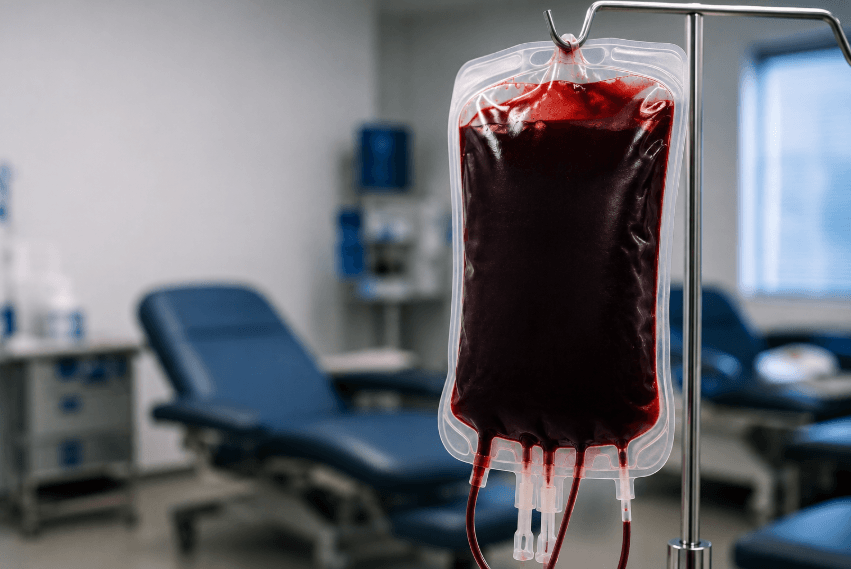
CHARLOTTE — The American Red Cross has issued a rare national blood crisis declaration, warning that a sharp decline in donations has pushed the nation’s blood supply to critical levels and increased pressure on hospitals that depend on lifesaving transfusions.
The organization said it is only the second time in its history that it has declared a national blood crisis, highlighting the severity of the current shortage. Blood donations have fallen to their lowest summer level in four years, creating an urgent need for donors across all blood types.
Among the most pressing concerns is the availability of type O blood, which is widely used in emergency medical situations. The Red Cross said supplies of type O positive blood have dropped below a one-day reserve, forcing the organization to limit distributions of those blood products to hospitals. Officials warned that if donation levels do not improve quickly, patient care could face increasing strain.
The shortage comes at a time when hospitals continue to rely on a steady flow of blood products for surgeries, trauma care, cancer treatments and other medical procedures where transfusions are essential. Since blood cannot be manufactured and has a limited shelf life, healthcare providers depend on regular donations to maintain adequate inventories.
The Red Cross is urging eligible donors to schedule appointments as soon as possible to help stabilize the blood supply. Individuals can make appointments through the Blood Donor App, the organization’s website or by calling its donor hotline.
To encourage participation, the organization is offering several donor appreciation incentives. Those who donate by July 31 will receive a Fandango movie ticket by email, while donors who give between Aug. 1 and Aug. 31 will receive a $20 Amazon Gift Card by email, subject to program terms.
Although thousands of people have responded since the emergency blood shortage was first announced earlier this month, officials said donations continue to fall short of hospital demand.
According to the Red Cross, several seasonal factors have contributed to reduced donor turnout. Prolonged periods of extreme heat, poor air quality and widespread foodborne illnesses have discouraged many potential donors from attending scheduled blood drives, further tightening supplies during one of the year’s most challenging collection periods.
“This summer has brought a number of unique challenges that have placed additional strain on our blood supply, creating growing concerns for hospitals and the patients who rely on lifesaving transfusions,” said Paul Sullivan, senior vice president of donor services for the Red Cross. “If just three more donors gave at each blood drive this summer, we could help the blood supply rebound and ensure hospitals have the blood products they need throughout the remainder of the season.”
The Red Cross emphasized that even a modest increase in participation at community blood drives could significantly improve inventory levels and reduce pressure on healthcare facilities over the coming weeks.
To help meet the urgent need, the organization has scheduled dozens of blood donation opportunities between July 27 and Aug. 15 across North Carolina and South Carolina. Collection events will be held in communities including Asheville, Banner Elk, Hendersonville, Waynesville, Brevard, Franklin, Burnsville, Rutherfordton, Black Mountain, Murphy, Hayesville and Gaffney, among many others.
Several permanent blood donation centers, including the Asheville Blood Donation Center, will also offer appointments throughout the period to increase collection capacity.
The Red Cross continues to encourage healthy, eligible individuals from all blood groups to donate, while noting that type O donors are especially important because of the current shortage. Officials said maintaining a stable blood supply depends on consistent community participation rather than emergency responses alone.
With hospital demand remaining strong and inventories under continued pressure, the organization said immediate donor participation will play a critical role in restoring supplies and ensuring patients receive the blood products they need without interruption.



/cloudfront-us-east-1.images.arcpublishing.com/eluniverso/ESZCYCVTMHULRF4XLKFETXEN2U.jpg "The phrase about the origins of Argentina, Brazilians and Mexicans is critical of President Alberto Fernandez. International | News")