


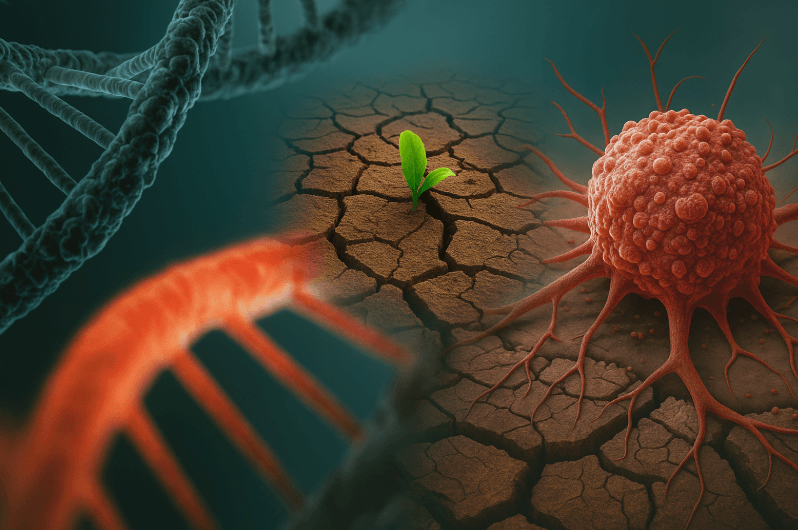
The University of Texas at Austin has unveiled a series of pioneering research developments spanning biotechnology, environmental science and medical innovation. In the past month, UT Austin scientists have reported new techniques for large-scale DNA repair, insights into the long-term damage caused by drought, and a light-based therapy that selectively destroys cancer cells while sparing healthy tissue.
New Gene-Editing Technique Offers Hope for Complex Diseases
Researchers at UT Austin have created a gene-editing technique capable of fixing extensive sections of faulty DNA in a single process. The breakthrough, announced on 23 October 2025, could accelerate progress towards treating complex genetic disorders that have so far defied conventional therapies.
The method allows scientists to target and repair long sequences of damaged or mutated genes simultaneously, reducing the need for multiple, smaller edits. By addressing entire defective regions of DNA, the technique is expected to improve accuracy and efficiency while limiting off-target effects that can occur with existing approaches such as CRISPR-Cas9.
University representatives said the advance represents a significant step towards clinical applications that might one day correct inherited conditions at their source. The work also strengthens UT Austin’s position among global leaders in gene-editing research, with potential implications for pharmaceuticals, regenerative medicine and agricultural biotechnology.
While commercialisation is still some way off, analysts note that intellectual-property spin-outs from major US universities have historically attracted substantial venture-capital backing. The market for gene-editing technologies is forecast to exceed £20 billion globally by 2030, reflecting growing demand for precision therapies.
Drought Study Warns of Threat to Global Grasslands
In another major study released on 16 October 2025, UT Austin scientists reported that extreme, multi-year droughts can slash grassland and shrubland growth by more than half. The findings raise concerns that prolonged dry spells, intensified by climate change, could trigger ecological and economic disruptions reminiscent of the Dust Bowl of the 1930s.
The research team analysed long-term environmental data and found that sustained moisture deficits drastically reduce plant productivity, soil quality and biodiversity. The results suggest that many semi-arid regions may face irreversible degradation if drought frequency and severity continue to rise.
The implications extend beyond environmental stewardship. Grasslands underpin global livestock production and carbon sequestration efforts, meaning reduced growth could increase food-price volatility and undermine climate-mitigation targets. Economists estimate that drought-related agricultural losses already cost tens of billions of pounds each year worldwide.
UT Austin’s findings are expected to inform new land-management policies and adaptation strategies in vulnerable regions, including parts of the United States, southern Europe and sub-Saharan Africa. Researchers called for urgent investment in drought-resilient crop varieties and improved water-conservation infrastructure.
LED-Based Cancer Therapy Shows Selective Precision
Earlier in the month, on 10 October 2025, a UT Austin research team announced a novel cancer-treatment approach using LED light and microscopic particles. The method “kills most cancer cells while leaving healthy cells unharmed,” according to the university’s release.
The technique employs finely tuned light frequencies to activate specially designed nanoparticles that target malignant tissue. Once illuminated, the particles generate a localised reaction that destroys cancer cells without damaging surrounding areas — an advance that could reduce side-effects compared with chemotherapy or radiation therapy.
Although still in the experimental stage, the results point to a potential new generation of minimally invasive cancer treatments. Medical experts say LED-based therapies could be particularly valuable in outpatient settings, lowering costs and improving patient recovery times.
A Hub of Cross-Disciplinary Innovation
The three studies underscore UT Austin’s growing influence as a hub for interdisciplinary research at the intersection of biology, engineering and environmental science. Each project demonstrates how university-based innovation can drive both scientific progress and future commercial opportunities.
As global competition for research funding intensifies, institutions able to translate laboratory discoveries into real-world impact stand to gain the most attention from investors, policymakers and the public. UT Austin’s latest findings — spanning genetic medicine, climate resilience and oncology — highlight the breadth of innovation emerging from academic laboratories poised to shape industries and improve lives worldwide.