

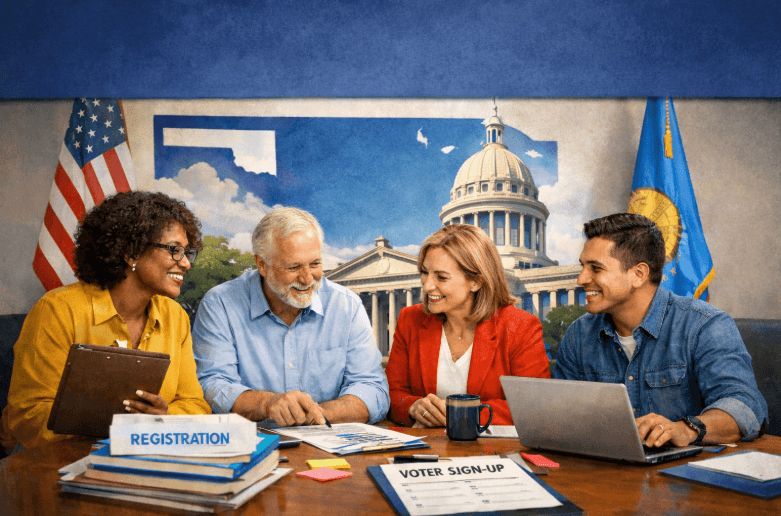
With registration closing today, nonprofit leaders, advocates and community professionals across Oklahoma are being urged to secure their place at the 2026 Legislative Learning Lab, a two-day policy and civic engagement programme designed to strengthen understanding of how government operates and how the nonprofit sector can engage effectively with decision-makers.
The Legislative Learning Lab, taking place on 29–30 January 2026, brings together legislators, policy experts, media professionals and sector leaders for an intensive programme focused on state governance, advocacy, and the evolving political environment facing nonprofits. Organisers describe the initiative as a practical and strategic learning opportunity at a time when public policy decisions are increasingly shaping funding, regulation and service delivery across the nonprofit landscape.
Two-Day Programme Focuses on Policy, Media and Advocacy
The programme opens on Day One, 29 January, with registration and breakfast, followed by a welcome session outlining the objectives and structure of the learning lab. The first morning is devoted to demystifying the legislative process in Oklahoma, providing participants with a clear overview of how laws are developed, debated and enacted, including the role of committees and legislative timelines.
A dedicated session on the legislative budget process follows, offering insight into how state budgets are formed, who influences spending priorities, and how nonprofit organisations can engage constructively around public funding. This segment is designed to help nonprofit leaders better understand fiscal decision-making that directly affects the communities they serve.
Midday programming features a lunch keynote panel with legislative leaders, giving attendees the opportunity to hear directly from elected officials about their policy priorities, their perspectives on the nonprofit sector, and best practices for building productive relationships across party lines. The discussion is expected to address current and emerging policy issues affecting Oklahoma communities.
The afternoon shifts focus to the role of media in politics, examining how journalism shapes public perception of policy debates and advocacy campaigns. Participants will explore strategies for engaging with reporters and news outlets to ensure nonprofit perspectives are accurately represented. The day concludes with a session on the different levels of government, clarifying how local, state and federal systems intersect with nonprofit operations and advocacy efforts.
Historical Context and Practical Tools on Day Two
Day Two, 30 January, begins with a recap of key themes from the opening day, before turning to a historical analysis of politics in Oklahoma. This session traces the state’s political evolution from its territorial origins to contemporary party dynamics, offering context for today’s legislative environment.
The late morning is dedicated to effective lobbying strategies for nonprofits, with a focus on ethical, legal and impactful engagement. Topics include direct advocacy, grassroots mobilisation and long-term relationship-building with legislators—areas of growing importance as nonprofits seek to influence policy while maintaining compliance.
After lunch, the agenda turns to the state of the nonprofit sector, with a panel discussion examining the current health of Oklahoma’s nonprofit ecosystem. Panellists will address financial pressures, workforce challenges and emerging opportunities, set against the backdrop of today’s political and economic climate.
The afternoon sessions tackle two critical compliance and planning issues. One clarifies the implications of the Johnson Amendment for nonprofit political activity, outlining the boundaries between permissible advocacy, lobbying and partisan engagement. The final session focuses on Census 2030, highlighting why nonprofit involvement is essential to ensuring accurate population counts, equitable funding allocation and fair representation, particularly for underserved communities.
Strategic Investment in Nonprofit Capacity
Organisers position the Legislative Learning Lab as more than a training event, framing it as a strategic investment in the capacity of nonprofit leaders to navigate complex policy environments. By combining historical context, practical instruction and direct engagement with policymakers and media professionals, the programme aims to equip participants with the tools needed to advocate effectively and responsibly.
With registration closing today, interested organisations are being encouraged to act quickly to secure participation in what is shaping up to be a comprehensive exploration of governance, advocacy and civic engagement in Oklahoma.