

The Oklahoma Institute for Child Advocacy (OICA) has unveiled a new logo for its annual Child Advocacy Day and Chili Cook-Off, positioning the event as both a civic engagement forum and a symbolic celebration of the United States’ forthcoming 250th anniversary.
Scheduled to take place in just over a month at the Oklahoma State Capitol, the gathering will bring together child advocates, nonprofit organisations, policymakers and community members from across Oklahoma. The event is designed to encourage informal but direct interaction between advocates and elected officials, using food and shared space as a catalyst for discussion on children’s policy.
From an organisational and business perspective, the event also highlights collaboration between the nonprofit sector and private firms engaged in public affairs and strategic communications. The newly revealed logo was developed in partnership with Amber Integrated, an Oklahoma City-based consultancy that is also serving as a top sponsor of the Chili Cook-Off.
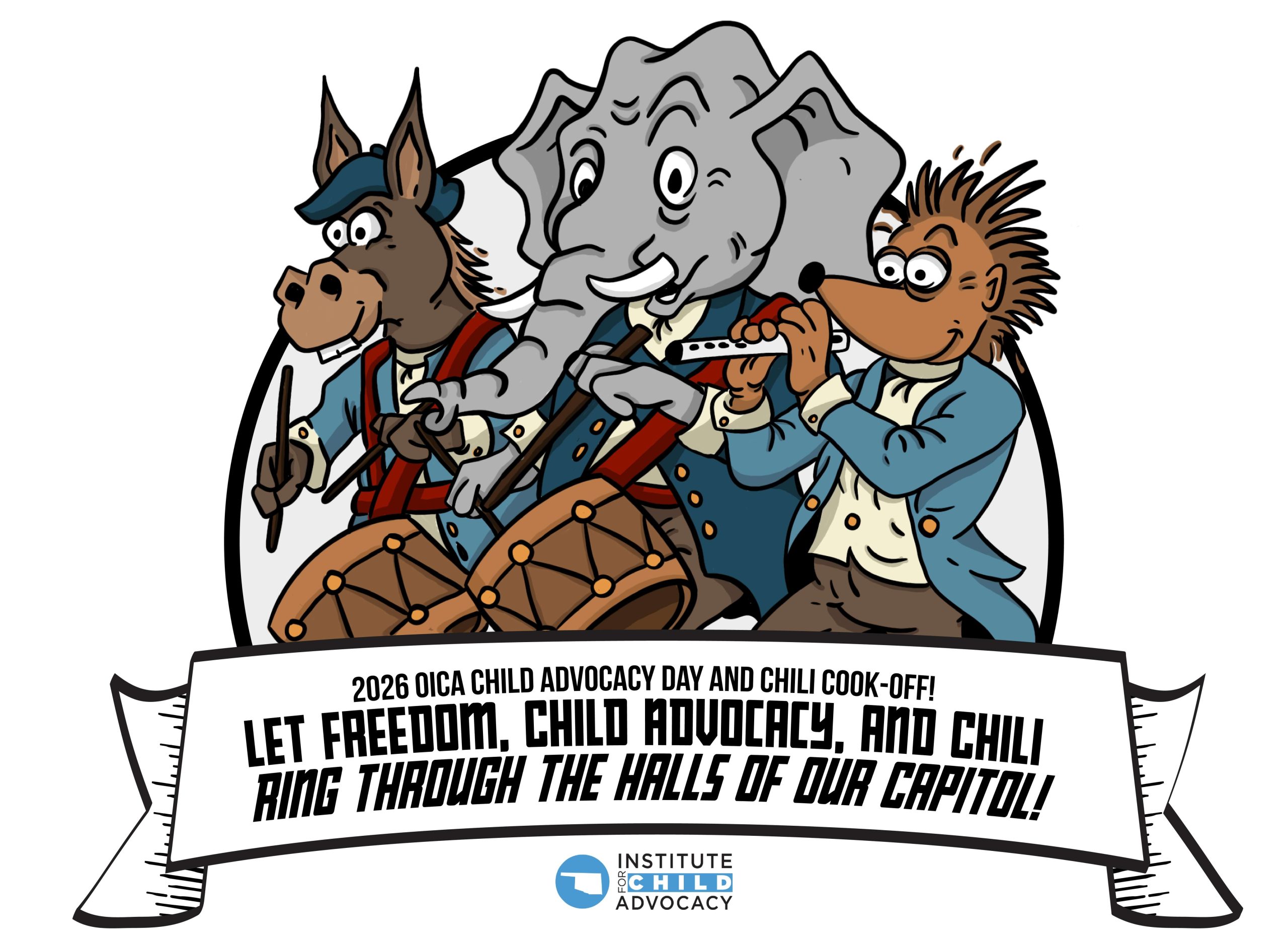
OICA said the visual identity aligns closely with the theme chosen for this year’s advocacy day, which coincides with national reflections on the United States’ semiquincentennial. According to the organisation, the branding is intended to reinforce unity across political lines while keeping children’s outcomes at the centre of policy debate.
“The talented artists at Amber Integrated did a great job with this year’s logo,” said Joe Dorman, chief executive of OICA. “It flows perfectly with our theme for the year, honoring the 250th birthday of the United States.”
The logo itself draws on historical imagery familiar to American audiences. It depicts the mascots of the Democratic, Republican and Libertarian parties — the donkey, elephant and hedgehog — marching together while playing fifes and drums. The imagery references the Revolutionary War-era painting “The Spirt of ’76,” reinforcing the anniversary theme and the idea of collective purpose.
OICA officials emphasised that the symbolism is deliberate. While policy debates often unfold along partisan lines, the organisation maintains that children’s welfare should transcend political affiliation. The inclusion of multiple party symbols, marching in unison, is intended to visually reinforce that message for lawmakers and attendees alike.
“While children’s policy should not be partisan in nature, the officials who we work with to shape ideas do run under a party nomination,” said Dorman. “We use this event each year to remind those officials that the success of the children of our state should come first and by working together, better things will occur for future generations.”
Beyond symbolism, the event also serves as a practical engagement platform for youth-serving organisations and individuals. OICA confirmed that registrations are now open for participants wishing to host chili tables at the Capitol. These tables allow organisations to showcase their work directly to legislators, staffers and fellow advocates during the event.
Sponsorship opportunities have also been announced, offering businesses, nonprofits and supporters a chance to align their name with child advocacy efforts. Sponsors will receive visibility through event materials, including the official T-shirt, which will feature the new logo prominently on the front with sponsor names displayed on the reverse.
“This is an excellent way for our advocates to engage in the process and share their stories,” Dorman said. “We encourage organizations who want to connect with officials to use this opportunity to join us at the Capitol and begin that process of building relationships and offer themselves as a resource, and if they cannot join, please consider sponsoring so their name can appear on the back of the event t-shirt with the event logo on the front.
“We share a commitment that on this one day, in this building of the people, we can lay the foundation for better outcomes for Oklahoma kids while celebrating the 250th birthday of our nation,” Dorman concluded.
For OICA and its partners, the Child Advocacy Day and Chili Cook-Off represents more than a single-day event. It reflects an ongoing strategy to combine advocacy, cross-sector collaboration and public engagement in a way that resonates with both policymakers and the wider community, while anchoring those efforts within a broader national milestone.