


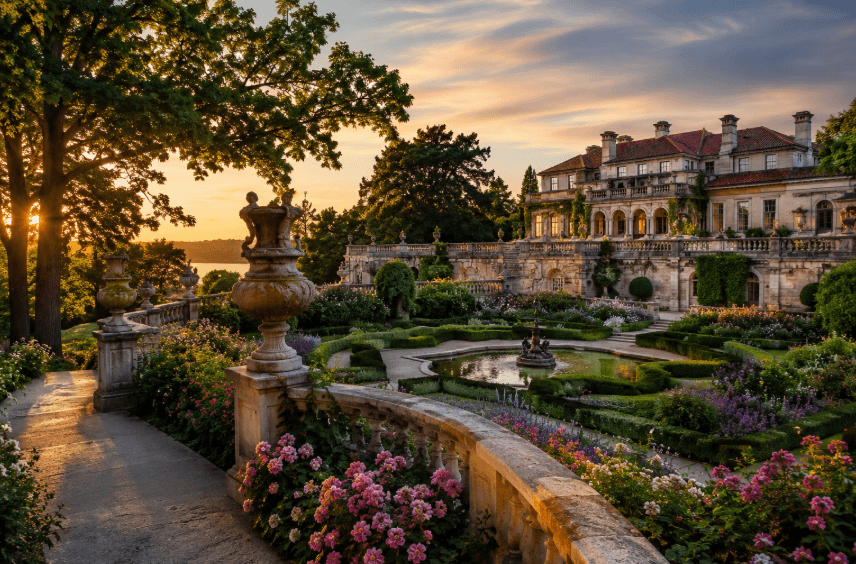
BOSTON, — A growing fascination with America’s Gilded Age is driving renewed interest in some of the country’s most celebrated historic estates, as travelers seek experiences that combine architecture, history and landscape design. A newly released book by garden designer, speaker and author Jana Milbocker is bringing fresh attention to a collection of restored gardens that once served as symbols of wealth, prestige and cultural influence during one of the nation’s most transformative periods.
In Gardens of the Gilded Age: Lavish Landscapes from America’s Golden Era, Milbocker presents an illustrated guide to 30 historic estates stretching from New England to Florida. The book showcases gardens that were originally created by some of America’s most prominent families and have since been restored and opened to the public, offering visitors a rare opportunity to experience landscapes that were once reserved for an elite few.
The publication arrives at a time when interest in the Gilded Age continues to grow, fueled in part by the popularity of HBO’s The Gilded Age. Historians and tourism professionals have noted increasing public curiosity about the era’s architecture, social history and cultural legacy. While the period is often associated with industrial expansion, grand mansions and powerful business dynasties, elaborate gardens also played a significant role in demonstrating wealth and status.
During the late 19th and early 20th centuries, affluent families invested heavily in landscape architecture, importing rare plants, commissioning renowned designers and creating expansive outdoor environments intended to rival those found throughout Europe. These private estates became showcases of horticultural innovation and artistic ambition.
Many of those landscapes have survived the passage of time and now operate as public attractions, preserving an important chapter of American history. Through contemporary photography and archival imagery, Milbocker’s book documents both the original vision behind these gardens and the restoration efforts that have helped ensure their continued accessibility.
Each featured property includes historical background on its owners, details about the evolution of the landscape and insights into the architectural elements that distinguish the estate. The book also examines how these gardens reflected broader social and cultural trends of the era, including advances in transportation, global travel and plant collecting.
Among the destinations highlighted in the book is The Mount in Lenox, Massachusetts, the former home of acclaimed author Edith Wharton. The estate remains a notable example of formal garden design and reflects Wharton’s personal interest in landscape planning.
Another featured property is the Biltmore Estate in Asheville, North Carolina, developed by George Vanderbilt. Covering approximately 125,000 acres, the estate remains one of the largest privately owned homes in the United States and is known for its extensive grounds and gardens.
The book also explores The Elms in Newport, Rhode Island, built for coal industry executive Edward Berwind. The estate is recognized for its French-inspired architecture and classical Italian-style sunken gardens.
Other highlighted locations include Longwood Gardens in Kennett Square, Pennsylvania, a horticultural destination developed by Pierre S. du Pont; Nemours Estate in Wilmington, Delaware, known for its formal gardens inspired by the Palace of Versailles; Old Westbury Gardens on Long Island, New York, once home to steel heir John S. Phipps; and Vizcaya in Miami, Florida, an Italian Renaissance-style estate overlooking Biscayne Bay.
Milbocker said the gardens represented more than displays of wealth, reflecting a broader enthusiasm for horticulture and artistic expression during the period.
“Fueled by intense competition, world travel, plant-hunting expeditions and rapid technological advances, these landscapes were expressions of pure beauty and passion for the natural world,” Milbocker added. “Today, they stand as accessible masterpieces of art, horticulture and craftsmanship that continue to inspire visitors.”
As heritage tourism continues to attract travelers seeking immersive cultural experiences, restored Gilded Age gardens are emerging as destinations that offer both historical significance and visual appeal. By opening once-private landscapes to the public, these estates provide a window into an era when landscape design became a powerful expression of ambition, creativity and prestige.
Through its focus on preservation, history and public access, Gardens of the Gilded Age highlights how these landmark properties continue to connect modern audiences with one of the most influential periods in American cultural history.