


NASHVILLE, TENN. — The U.S. Army Corps of Engineers will waive day-use fees at more than 2,800 recreation areas across the United States on June 16 as part of celebrations marking the organisation’s birthday, offering visitors free access to a wide range of outdoor facilities during the one-day observance.
The waiver applies to USACE-operated recreation sites nationwide, including popular destinations throughout the Cumberland River Basin overseen by the Nashville District. Officials said the initiative is intended to encourage public participation in outdoor recreation while highlighting the agency’s long-standing role in water resource management, environmental stewardship and infrastructure operations across multiple states.
Under the temporary fee waiver, visitors will receive free access to boat launch ramps and designated swimming beaches at participating locations. However, the exemption does not extend to camping fees, camping-related services, group picnic shelters or charges associated with special events and other reserved facilities.
The agency also noted that third-party organisations managing recreation areas located on USACE lands are encouraged, though not required, to participate in the waiver programme at their own sites.
The announcement comes as recreation demand across federal and state-managed outdoor spaces continues to rise, particularly during the summer season when waterways, lakes and recreational trails attract millions of visitors across the southern United States.
Visitors planning to attend recreation areas have been advised to contact individual lake and river projects before travelling in order to confirm operational status and local access conditions.
The U.S. Army Corps of Engineers is one of the oldest engineering institutions in the United States and plays a significant role in national infrastructure development, navigation systems, hydropower operations and flood risk management. Alongside its engineering and defence responsibilities, the organisation also manages one of the largest federal recreation networks in the country.
According to the agency, the Nashville District alone oversees 280 recreation sites spread across multiple states, including approximately 1,700 picnic sites, 61 designated swimming areas and more than 450 miles of trail space.
The district reported that its recreation facilities collectively welcomed more than 22.5 million visitors during fiscal year 2025 and generated in excess of $1 billion in visitor spending during the same period. Officials said the district’s assets provide access to a broad range of outdoor activities across more than 150,000 acres of land, 200,000 acres of water and around 3,000 miles of shoreline.
The Nashville District’s operational responsibilities span a 59,000-square-mile region covering Tennessee, Kentucky, Alabama, Georgia, North Carolina, Mississippi and Virginia. The district manages water resources throughout the Cumberland and Tennessee River basins, balancing flood mitigation efforts with commercial navigation, hydropower generation, recreation access, water supply management and water quality initiatives.
The agency also operates 10 dams within the Cumberland River Basin and maintains 14 navigation lock projects across the Cumberland and Tennessee River systems, making it a critical operator within the region’s transportation and water infrastructure network.
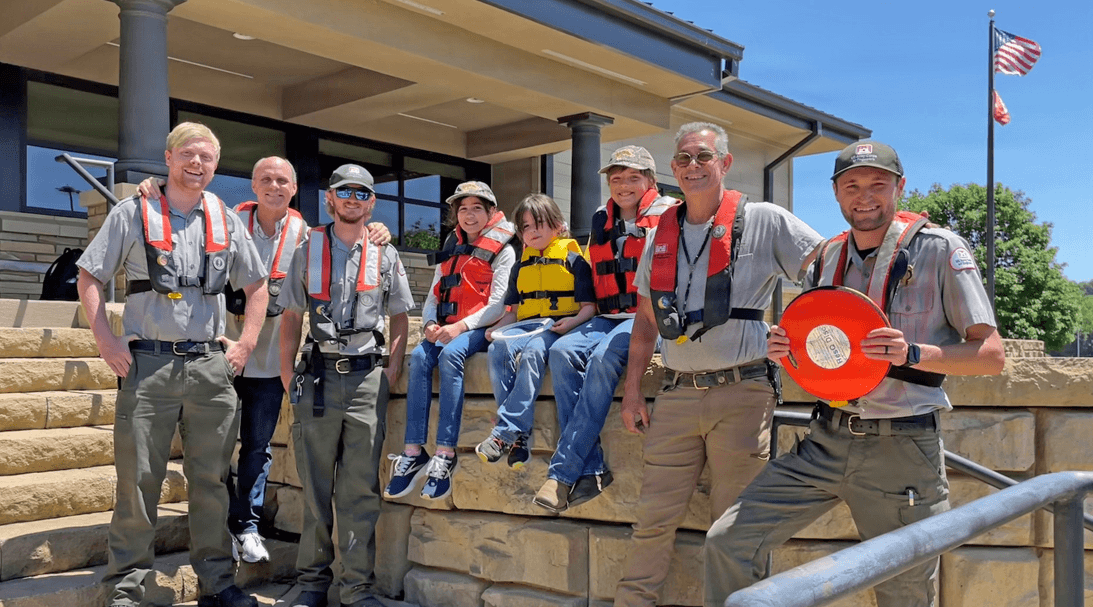
In addition to promoting recreation access, the Corps continues to emphasise public water safety awareness during peak summer activity periods. The original announcement referenced recent water safety outreach efforts involving Nashville District park rangers and visitors at Cheatham Lake in Tennessee, where participants took part in “Wear Your Life Jacket to Work Day.”
The U.S. Army Corps of Engineers described itself as “the nation’s first engineering organization, committed to delivering innovative engineering solutions that benefit the American people.”
The agency further stated that the district’s mission is “to deliver vital engineering solutions, in collaboration with our partners to strengthen national security, energize our economy, and reduce disaster risk.”
Officials added that the Nashville District remains focused on balancing environmental stewardship, public recreation and infrastructure resilience across its extensive network of waterways and public lands.
The district summarised its broader role by stating that it is “protecting people from water, protecting water from people, and making water useful.”




/cloudfront-us-east-1.images.arcpublishing.com/eluniverso/ESZCYCVTMHULRF4XLKFETXEN2U.jpg "The phrase about the origins of Argentina, Brazilians and Mexicans is critical of President Alberto Fernandez. International | News")