


The United States Department of Veterans Affairs is set to reinforce its commitment to improving healthcare delivery for former service personnel, as Doug Collins and Kevin Hern prepare to visit the Eastern Oklahoma VA Health Care System on Tuesday, 31 March 2026.
The visit, scheduled to take place in Muskogee, forms part of a broader federal effort to assess frontline services, engage directly with veterans and staff, and highlight ongoing improvements in care provision. The engagement also reflects a continued policy emphasis on enhancing healthcare access, operational efficiency, and workforce recognition within the VA system.
During the visit, Secretary Collins and Congressman Hern will meet with healthcare professionals and veterans, while touring facilities at the Muskogee campus. A key element of the programme will be the recognition of high-performing employees, acknowledging their role in delivering what officials describe as “world-class care” to veterans across Muskogee and surrounding communities.
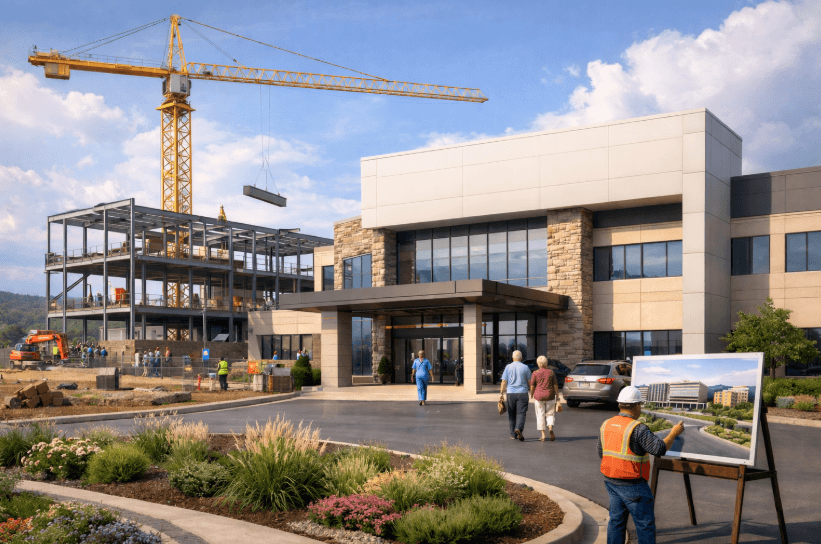
The Eastern Oklahoma VA Health Care System is undergoing a period of notable transformation, underpinned by infrastructure investment and service expansion. Central to this development is the forthcoming opening of the James Mountain Inhofe VA Medical Center in downtown Tulsa. The new facility, spanning 318,000 square feet and equipped with 58 beds, is expected to become operational in late summer or early autumn 2026.
Once opened, the Tulsa-based medical centre will operate alongside the existing Muskogee campus, effectively creating a dual-campus system designed to increase capacity and improve regional coverage. The expansion is anticipated to enhance access to specialised care, reduce patient travel times, and support growing demand from the veteran population in eastern Oklahoma.
In parallel with physical infrastructure development, the health system is also investing in mobile and community-based healthcare solutions. The introduction of a Mobile Medical Unit (MMU) represents a targeted initiative to reach underserved populations, particularly unhoused veterans who may face barriers to accessing traditional healthcare settings.
This mobile outreach model enables clinicians to deliver essential services directly within communities, aligning with wider public sector trends towards decentralised and preventative care. In addition, the system is expanding women’s health services across its entire service area, reflecting demographic shifts and increasing demand for tailored healthcare provision among female veterans.
The visit will also include a scheduled media availability, during which Secretary Collins is expected to outline progress made in veterans’ healthcare during the second administration of Donald Trump. The briefing is likely to address operational improvements, investment priorities, and future policy direction for the VA.
From a business and policy perspective, the developments in eastern Oklahoma highlight the scale of federal investment in healthcare infrastructure and service delivery. The construction of the Tulsa facility alone represents a significant capital project, with implications for local employment, supply chains, and regional economic activity.
Moreover, the integration of mobile healthcare units and expanded service lines underscores a shift towards more flexible and inclusive delivery models. Such approaches are increasingly relevant in addressing healthcare disparities and improving outcomes in geographically dispersed or vulnerable populations.
The scheduled media event will take place at the Eastern Oklahoma VA Health Care System’s Executive Suite in Muskogee at 1:30 p.m., with media required to be in place by 1:15 p.m. The event is open to accredited press and is expected to draw attention from regional and national outlets covering healthcare, public policy, and veterans’ affairs.
As the VA continues to modernise its operations, the visit by senior federal figures signals both oversight and endorsement of ongoing initiatives. With the Tulsa medical centre nearing completion and community-focused programmes gaining traction, eastern Oklahoma is emerging as a focal point in the evolution of veteran healthcare services in the United States.