


The Maxwell Football Club has launched a retrospective series marking milestone anniversaries of its most distinguished award recipients, beginning with a look back at defining performances from the 2000 season that continue to shape the sport a quarter-century on.
For more than 90 years, the organisation has recognised excellence across American football, with its honours widely regarded as benchmarks of performance, leadership and integrity. According to the club, recognition “represents more than a trophy or a moment in the spotlight — it marks entry into a football family defined by excellence, integrity, and lasting impact”.
The current instalment focuses on recipients whose standout campaigns from the turn of the millennium remain influential, spanning college and professional football, and highlighting careers that combined on-field success with enduring legacy.
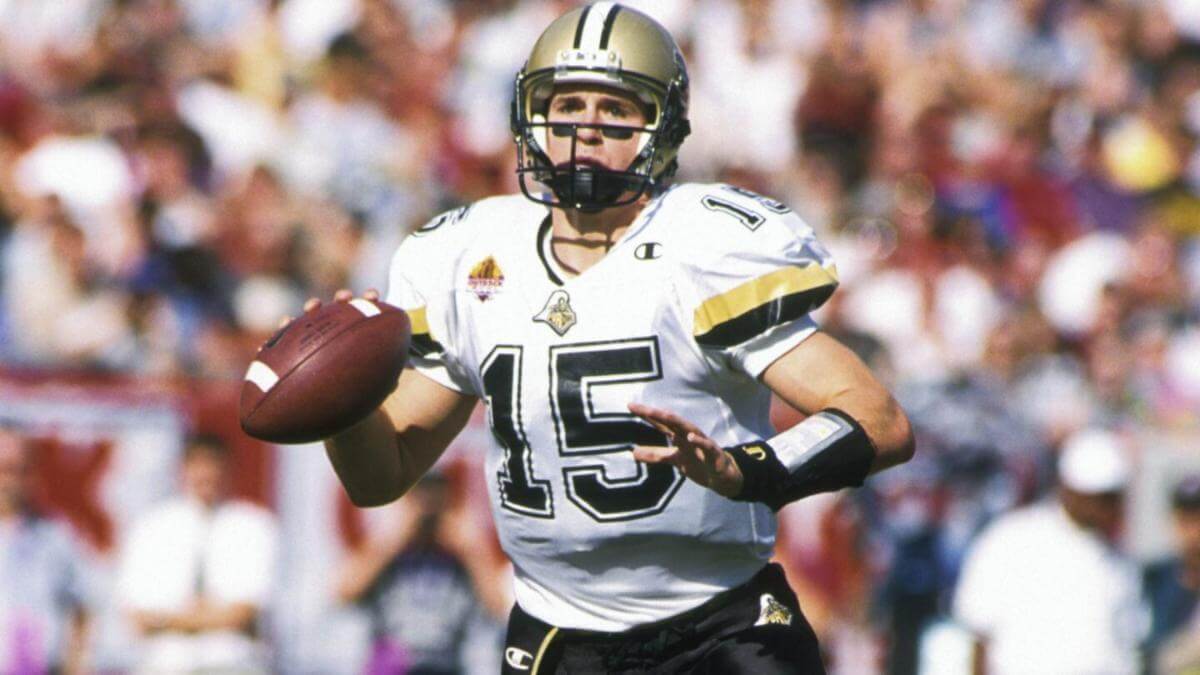
Drew Brees and the Transformation of Purdue Football
The 25-year anniversary of the Maxwell Award win by Purdue quarterback Drew Brees underscores one of the most significant offensive evolutions in Big Ten history. Under head coach Joe Tiller, Purdue adopted an up-tempo spread approach described as “basketball on grass”, a system that contrasted sharply with the conference’s traditional style.
While the scheme was innovative, its full potential was only realised once Brees became the starting quarterback. In the 2000 season, the Austin, Texas native threw for 3,668 yards and 26 touchdowns, leading Purdue to landmark victories over Michigan and Ohio State. The campaign delivered a share of the Big Ten title, the programme’s first since 1967, and culminated in only the school’s second Rose Bowl appearance.
Despite breaking multiple school, conference and national records, Brees entered the NFL without the fanfare typically afforded to elite college quarterbacks. Selected in the second round by the San Diego Chargers, he later rebuilt his career with the New Orleans Saints, where he spent 15 seasons, won a Super Bowl in 2009 and established himself as one of the most productive passers in league history.
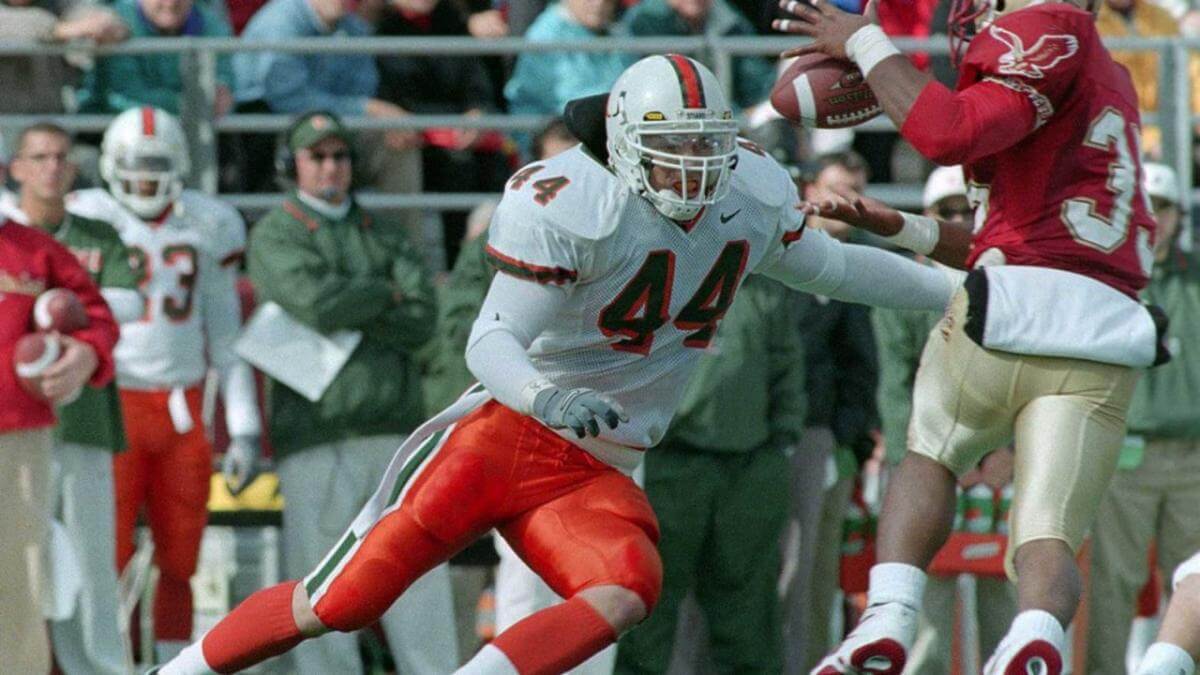
Dan Morgan’s Defensive Legacy at Miami
Linebacker Dan Morgan’s Bednarik Award-winning season at Miami in 2000 remains a reference point for defensive excellence. A consistent performer from his freshman year, Morgan surpassed 100 tackles for the fourth consecutive season during his senior campaign and completed his college career with a school-record 532 tackles.
That final season brought a sweep of major defensive honours, including the Bednarik Award, the Butkus Award and the Nagurski Trophy. His leadership anchored a Miami team that recorded 11 wins, secured a Sugar Bowl victory and finished second nationally, setting the platform for a national championship the following year.
Morgan was selected 11th overall by the Carolina Panthers in the 2001 NFL Draft. Although injuries curtailed his playing career after seven seasons, he played a prominent role in the Panthers’ Super Bowl XXXVIII run, setting a Super Bowl record with 18 tackles. He has since transitioned into senior executive roles within the NFL and was inducted into the College Football Hall of Fame in 2021.
Rich Gannon’s Late-Career Breakthrough
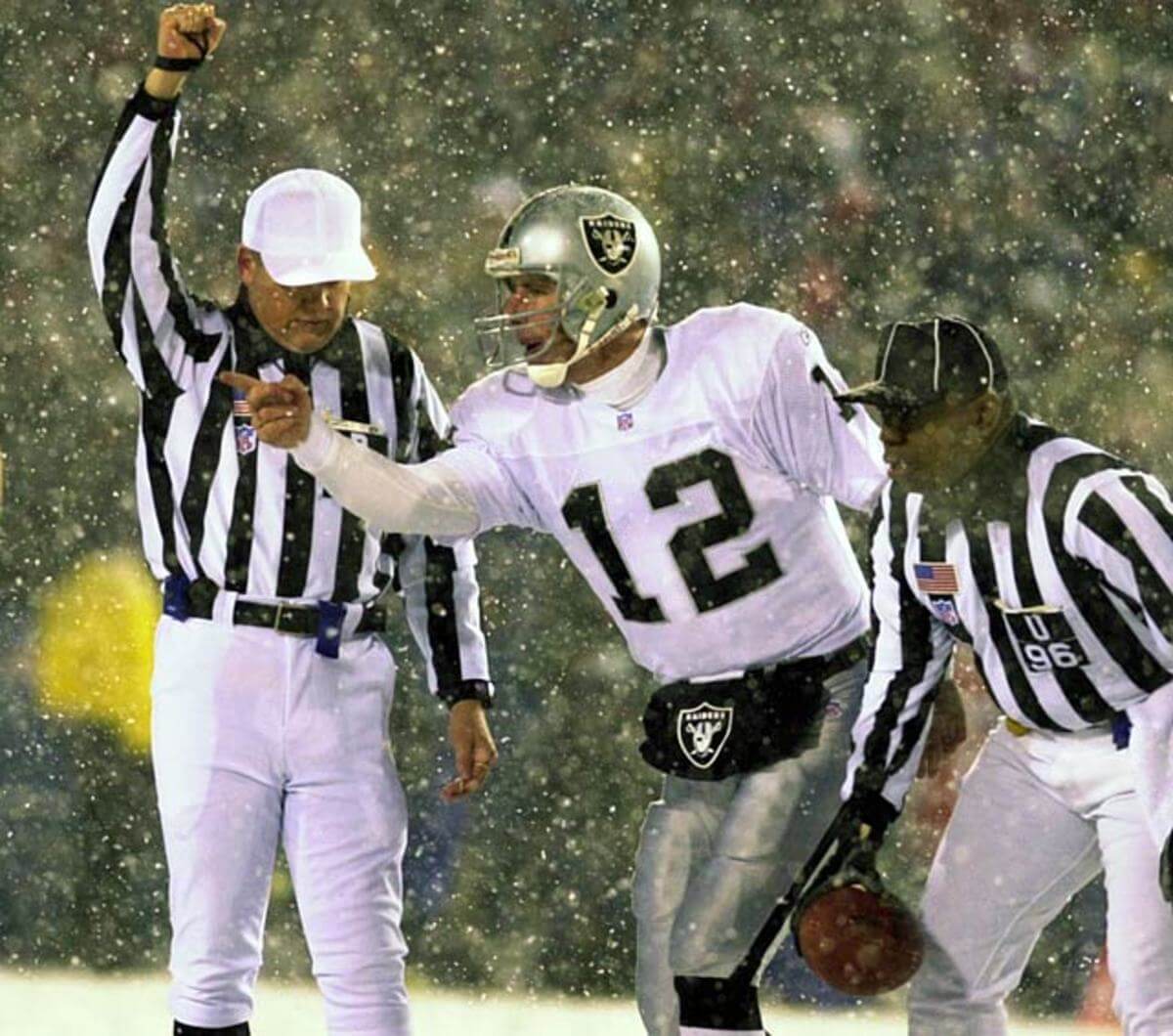
The Bert Bell Award recognition for Rich Gannon reflects one of the most notable late-career surges in NFL history. After spending more than a decade as a backup and journeyman, Gannon flourished in Oakland under head coach Jon Gruden’s West Coast system.
In the 2000 season, he led the Raiders to 12 wins, their highest total in ten years, and an appearance in the AFC Championship game. Gannon passed for 3,430 yards and a career-high 28 touchdowns while also contributing significantly as a runner.
He went on to guide Oakland to its first Super Bowl appearance in 19 years in 2002 and retired in 2004 with more than 28,000 passing yards. His post-playing career has included long-standing roles in broadcast media and radio analysis.
Bob Stoops and Oklahoma’s Rapid Revival
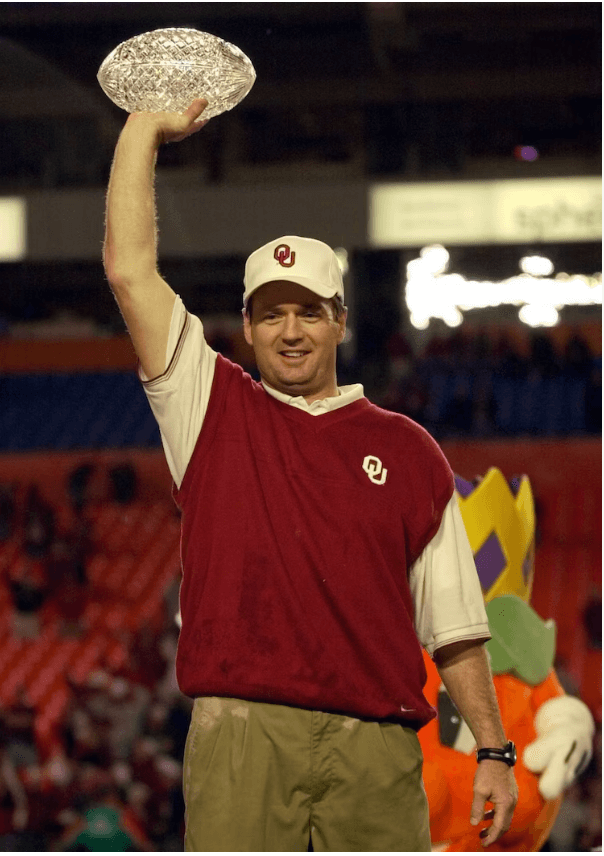
The Munger Award anniversary recognises Bob Stoops’ transformative impact at Oklahoma. Hired in 1999 after a prolonged downturn for the programme, Stoops engineered a rapid turnaround, delivering an unbeaten season and national championship in just his second year.
Beginning the 2000 season ranked 19th, Oklahoma climbed steadily with high-profile victories before sealing the title with a 13-2 Orange Bowl win over Florida State. Stoops’ tenure ultimately produced ten Big 12 titles across 18 seasons, cementing one of the most successful coaching runs in modern college football.
The Maxwell Football Club will continue its anniversary series in the coming weeks, with celebrations culminating at the 89th Maxwell Awards Gala in Atlanta on March 14.