

TULSA, Oklahoma — United Indian Nations of Oklahoma (UINO) has issued an advisory urging Tribal citizens across the state to remain vigilant and to carry Tribal identification, alongside any state- or federally issued identification they may possess, amid a widening of federal immigration enforcement activity.
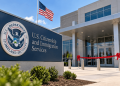
The guidance comes as U.S. Immigration and Customs Enforcement (ICE) increases operations following recent White House directives, prompting concerns among Native communities that citizens and enrolled Tribal members may be wrongly questioned about their legal status.
In recent weeks, dozens of Tribal citizens across the United States have reportedly been questioned or detained regarding their citizenship status, despite being enrolled Tribal members or United States citizens. UINO cited several incidents that have raised alarm among Indigenous communities and advocacy groups.
Reported incidents include four enrolled members of the Oglala Sioux Tribe detained in Minnesota, an Ojibwe/Red Lake Nation descendant detained in Minnesota, and a member of Arizona’s Salt River Pima-Maricopa Indian Community detained in Iowa. UINO also referenced a separate incident involving Indigenous actress Elaine Miles, a member of the Confederated Tribes of the Umatilla Indian Reservation, who was questioned by authorities in Washington state.
While details of each encounter vary, the reports have underscored the risk of misunderstandings or administrative errors during immigration checks — particularly for Indigenous people whose citizenship and identity may not be immediately recognised by federal agents unfamiliar with Tribal documentation.
Oklahoma is home to a significant number of Native nations and Tribal citizens, and UINO said the scale of the population makes the issue particularly urgent for the state. The organisation represents Tribal leadership interests and regularly engages in advocacy on matters affecting Native communities.
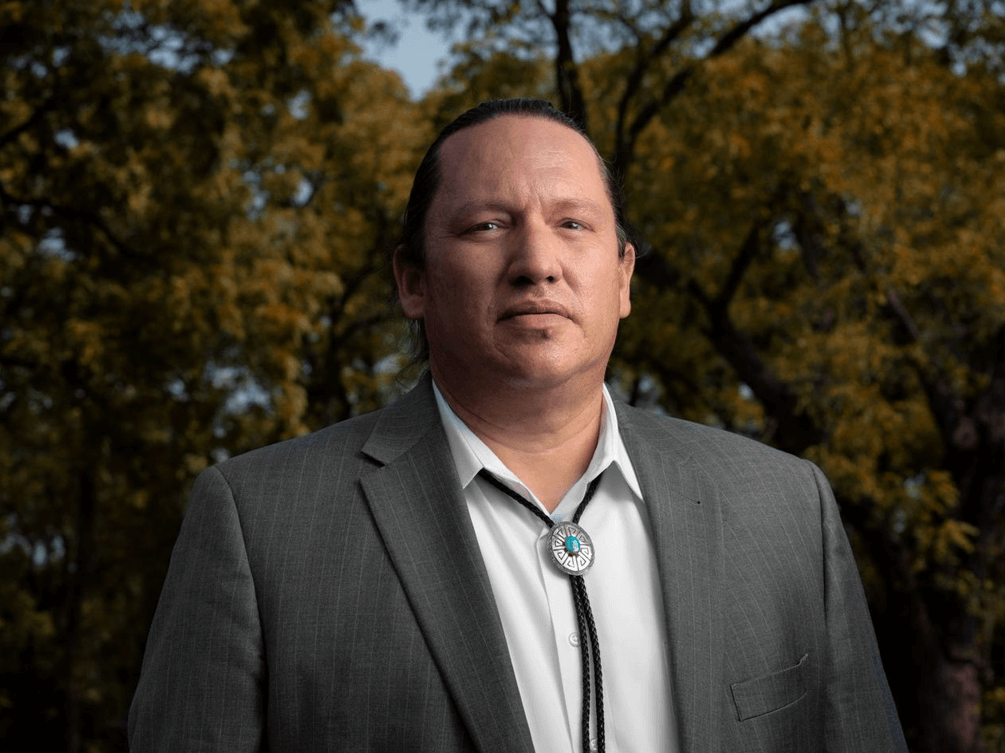
“Thirty-eight federally recognized tribes are headquartered in Oklahoma, and Tribal citizens from hundreds of Native nations call this state home,” said Ben Barnes, Chairperson of United Indian Nations of Oklahoma. “It is deeply concerning that Tribal citizens have been questioned or detained despite their lawful status. Given these developments, there is no reason to assume Native people in Oklahoma could not or are not already facing similar encounters. We strongly urge all Native people to carry any Tribal, state, or federal identification available to help protect themselves and their families.”
The advisory reflects growing concern that expanded enforcement measures can create unintended consequences for groups who are legally entitled to be in the country, including U.S. citizens. For Tribal citizens, documentation may include Tribal enrolment cards or identification issued by Tribal governments, which can serve as evidence of identity and membership.
As immigration enforcement activity has broadened, the Native American Rights Fund (NARF) has issued guidance for both minor and adult Tribal citizens outlining how to respond if approached by immigration agents at home, at work, in public spaces, or while travelling. The guidance is intended to help individuals understand their rights and respond appropriately in situations where they may be questioned by authorities.
NARF has also released a fact sheet aimed at Native-serving nonprofits and service providers, offering practical steps to safeguard clients and reduce the likelihood of unlawful detentions. The document includes recommendations designed to prevent violations of Fourth Amendment protections against unreasonable searches and seizures, an area of heightened sensitivity as enforcement actions become more frequent and visible.
For organisations delivering community services, the issue carries operational implications. Nonprofits and service providers working with Indigenous populations may need to adjust frontline procedures, staff training, and client support to ensure individuals are properly informed and protected during interactions with law enforcement or federal agents.
UINO said it will continue monitoring developments and plans to address the issue formally during its upcoming quarterly meeting. The meeting is scheduled for March 10 at River Spirit Casino Resort, where Tribal leaders are expected to discuss the advisory and the broader impact of federal enforcement patterns on Native communities.
“United Indian Nations of Oklahoma will continue to closely monitor this evolving situation and will share additional guidance and information as it becomes available,” Barnes said.
The advisory highlights a wider challenge faced by Indigenous communities in ensuring their legal status is recognised during encounters with federal agencies. While Tribal citizenship is distinct from U.S. citizenship, many Tribal citizens are also U.S. citizens, and Tribal identification can play a key role in confirming identity and affiliation.
As enforcement activity expands, UINO’s message to citizens is focused on preparedness and prevention — ensuring that individuals have appropriate documentation available to reduce the risk of prolonged questioning or detention. The organisation has encouraged Native people to keep relevant identification accessible when travelling, at work, and in daily activities, and to consult NARF resources for guidance on responding to immigration agents.