

The United States has reached a new milestone in its efforts to reduce radiological risks, with the National Nuclear Security Administration (NNSA) confirming the full removal of cesium-137 irradiators from the state of Oklahoma. The development marks a further step in a long-running federal programme aimed at strengthening national security by phasing out equipment that could be exploited for malicious purposes.
Background on Radiological Risk
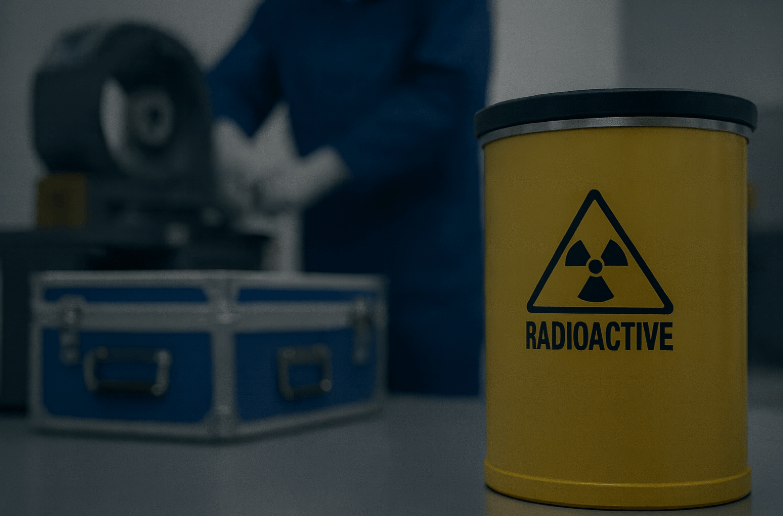
The announcement, issued from Washington, highlights the completion of a cleanout that positions Oklahoma as the 12th US state or territory to eliminate its stock of cesium-based irradiators. These devices, historically used in medical research, blood irradiation and other scientific applications, contain a form of radioactive material that carries significant security concerns. If stolen or misused, the material could be deployed to construct a radiological dispersal device, more commonly known as a “dirty bomb.”
Role of Irradiators in US Infrastructure
Irradiators have been widely used across US research institutions and hospitals for decades and remain core components in certain scientific processes. However, their radiological content has long placed them on the radar of security agencies focused on preventing the acquisition of hazardous materials by hostile actors. The NNSA, part of the US Department of Energy, has spent several years working with states and individual organisations to replace these units with safer, non-radioactive alternatives.
NNSA Statement on National Security Progress
“Clearing states of these irradiators showcases NNSA’s commitment to making U.S. communities safer and more secure,” said Matthew Napoli, NNSA Deputy Administrator for Defense Nuclear Nonproliferation. “With Oklahoma now added to the growing list of states cleared of cesium irradiators, NNSA proudly recognizes this milestone in enhancing national security.”
Oklahoma Joins Growing List of Cleared States
Oklahoma now joins Alaska, Arizona, Delaware, Idaho, Iowa, Kansas, Nevada, New Mexico, Puerto Rico, South Dakota and Wyoming, all of which have completed similar transitions. While the number of devices in each region varies, the goal remains consistent: removing high-activity radioactive sources that could present a risk should they fall into the wrong hands.
Collaboration with Oklahoma Medical Research Foundation
Central to Oklahoma’s cleanout was the involvement of the Oklahoma Medical Research Foundation (OMRF), which partnered with the NNSA through the agency’s Cesium Irradiator Replacement (CIR) Project. This voluntary programme provides institutions with financial and logistical support to facilitate the transition to alternative technologies—most commonly X-ray–based irradiators, which do not rely on radioactive sources and therefore pose no radiological security risk.
OMRF’s Perspective on the Transition
“We are proud to advance our research mission while supporting efforts that strengthen the security of our communities,” said Trent Brown at Oklahoma Medical Research Foundation. “Thanks to NNSA’s Cesium Irradiator Replacement Project, we are able to replace our technology with safer alternatives, making our community safer.”
NNSA’s Broader Radiological Security Strategy
The NNSA’s Office of Radiological Security (ORS) sits at the heart of these initiatives. The office employs what it describes as a two-pronged strategy—removing high-risk materials wherever possible and ensuring robust protections remain in place for radioactive sources still in active use. This includes close collaboration with industry groups, emergency responders and law enforcement agencies, both within the US and internationally.
Reducing Long-Term Radiological Threats
By supporting the decommissioning of ageing cesium-based systems, ORS aims not only to curtail the risk of theft or loss, but also to minimise the consequences should an adversary attempt to weaponise radiological material. While a dirty bomb lacks the mass-destructive potential of a nuclear device, its psychological and economic effects could be substantial, particularly if detonated in a densely populated area.
Conclusion
The removal of irradiators from Oklahoma represents incremental progress in a broader national strategy. Several states still operate cesium-137 devices, though the number has decreased steadily as the CIR Project expands. Federal officials have indicated their intention to continue working with medical and research institutions to accelerate the shift towards safe, modern alternatives.
For now, the completion of Oklahoma’s transition adds another data point to a growing list of regions eliminating radiological hazards. It also reinforces the US government’s ongoing commitment to tightening security around high-activity materials at a time when global attention to unconventional threats remains elevated.