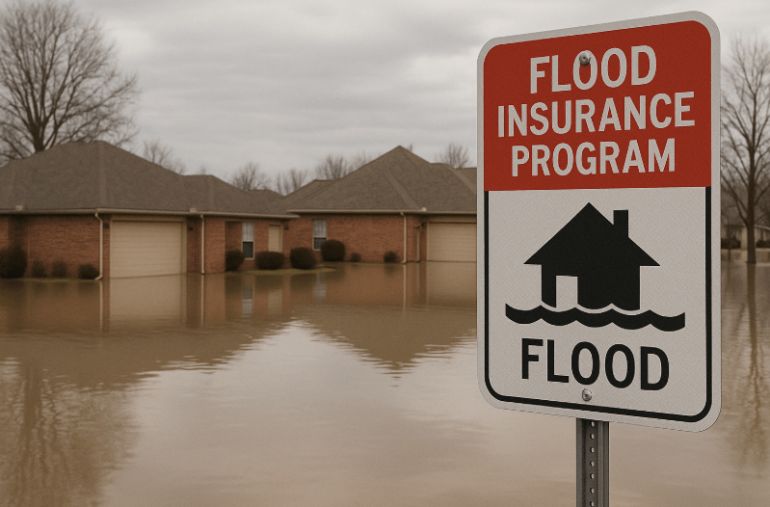
OKLAHOMA CITY — The ongoing federal government shutdown in the United States has triggered an immediate suspension of the National Flood Insurance Program (NFIP), leaving thousands of homeowners and property buyers across Oklahoma in uncertainty. The Oklahoma Insurance Department (OID) has issued guidance to help residents understand the impact and explore available options during the pause.
The NFIP, which provides flood cover to millions of Americans, officially halted operations on 1 October after Congress failed to renew its authorisation. Without reauthorisation, the programme is unable to issue new policies or renew existing ones, creating potential complications for property transactions and insurance renewals in high-risk flood zones.
Existing Policies Remain Valid — For Now
According to the OID, individuals with existing NFIP policies will retain coverage until their current policy expires. However, no new policies can be issued, and renewals cannot be processed while the shutdown continues.
The department warned that while the programme will continue paying approved claims using its remaining funds, further delays could occur if those reserves are exhausted before congressional action resumes funding.
“Policyholders should be aware that claims may still be paid, but delays are possible,” the OID said in its statement. “If those funds run out during the shutdown, payments could be delayed.”
Impact on the Housing Market
The disruption is already being felt in the housing sector. Homebuyers seeking federally backed mortgages in flood-prone areas are likely to face obstacles, as lenders typically require flood cover before approving loans. The inability to secure NFIP policies could therefore postpone property closings and create ripple effects through the local housing market.
“If you’re buying a home in a high-risk flood area, flood insurance is usually required for federally backed loans,” the OID warned. “Without access to NFIP policies, closings may be postponed until the program resumes.”
Private Flood Insurance Emerges as an Interim Option
With the federal programme on hold, Oklahomans are being urged to consult their insurance agents about private market alternatives. A number of private insurers offer flood coverage, although these policies may differ in pricing, terms, and protection levels compared to NFIP-backed cover.
“Some private insurance companies offer flood policies,” the OID noted. “These can provide coverage during the NFIP lapse but may differ in price and protection.”
Advice for Homeowners and Buyers
The department encouraged policyholders and homebuyers to remain proactive and take several precautionary steps during the shutdown.
Those with upcoming renewals or pending applications should immediately contact their insurance agents to understand available options. Homebuyers in flood-prone regions are advised to inform their estate agents, lenders, and insurers about the current NFIP suspension to prevent unexpected delays.
“Ask about private options,” the OID advised. “Some insurance companies can provide flood coverage through the private market. Talk to your agent to compare coverage and costs.”
Homeowners are also urged to continue paying premiums and keeping documents in order. Policies already in effect remain valid until their stated expiry dates, and maintaining good standing could smooth the process once the NFIP resumes operations.
Commissioner Urges Preparedness
Commissioner Glen Mulready emphasised the importance of staying informed and prepared amid the ongoing disruption, highlighting that the situation underscores the need for Oklahomans to understand their flood insurance options.
“While we hope Congress acts quickly to restart the NFIP, this reminds us how important it is to be prepared for flooding and to know your insurance options,” said Commissioner Glen Mulready. “OID is here to help Oklahomans navigate this situation and find the information they need to stay protected.”
The OID continues to monitor the situation closely and will provide updates once Congress reauthorises the programme. Residents are encouraged to follow official channels and maintain contact with their insurance providers for the latest developments.
Until federal lawmakers reach an agreement, the uncertainty surrounding the NFIP highlights both the reliance on government-backed insurance schemes and the potential need for private market resilience in the face of policy gridlock.


:quality(85)//cloudfront-us-east-1.images.arcpublishing.com/infobae/HWEDZRPPJREVVBQCGOTWCMCG7U.jpg "Christmas sales in the US saw their biggest increase in 17 years despite the advance of the Omicron variant")