


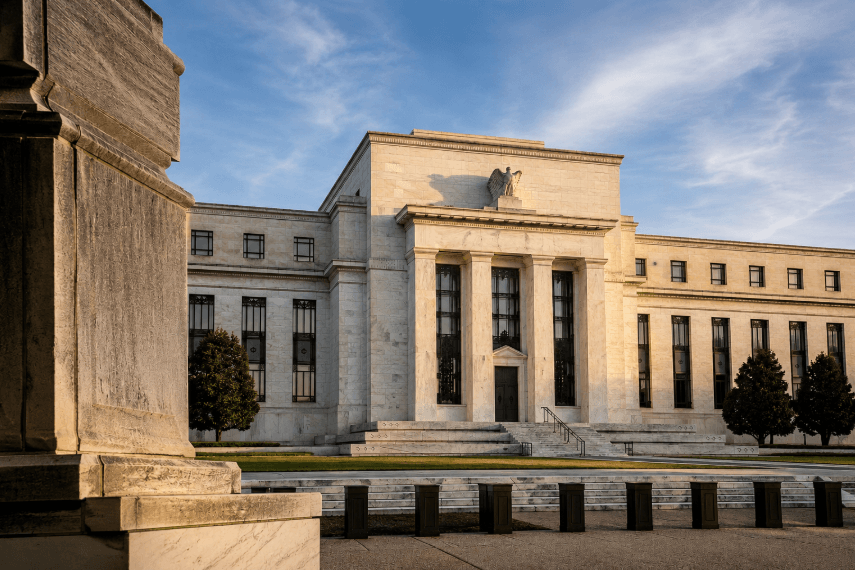
OKLAHOMA CITY — Representative Frank D. Lucas, Chairman of the House Financial Services Task Force on Monetary Policy, Treasury Market Resilience, and Economic Prosperity, recently hosted a field hearing in Oklahoma City focused on the structure of the Federal Reserve System and the role regional Reserve Banks play in supporting monetary policy decisions across the United States.
The hearing brought together former Federal Reserve officials, economists and financial experts to discuss the importance of maintaining the Federal Reserve’s federated structure, which combines a central governing body with a network of regional Reserve Banks. Participants explored how the system allows policymakers to draw on geographic and industry-specific expertise when assessing economic conditions and shaping monetary policy.
The event formed part of the task force’s ongoing examination of monetary policy, financial market resilience and economic prosperity. Witnesses discussed the value of regional representation within the Federal Reserve framework and how local economic insights contribute to national decision-making.
Speaking after the hearing, Representative Lucas emphasised the significance of preserving a broad range of perspectives within the central banking system.
“It was a great day in Oklahoma City hosting several respected witnesses and hearing their perspective on the importance of our Federal Reserve structure,” said Representative Lucas. “The private-public partnership Reserve Banks have with our central bank serves as a check against the federal government dominating our monetary system. Our nation has many differing viewpoints, and our central bank is at its best when it reflects a comprehensive perspective of economic conditions. I thank the witnesses and my fellow colleagues for their time in my home state, and I look forward to continuing this discussion during this critical time.”
The Federal Reserve System is designed to balance national oversight with regional input. Its network of Reserve Banks provides economic intelligence from different parts of the country, helping policymakers understand how economic developments affect industries, businesses and communities across diverse regions.
Supporters of the structure argue that this decentralised approach strengthens the Federal Reserve’s ability to respond to changing economic conditions by incorporating viewpoints from a broad cross-section of the economy. The hearing examined how regional expertise contributes to discussions on inflation, employment, financial stability and broader economic trends.
Among the witnesses was Thomas Hoenig, Distinguished Senior Fellow at the Mercatus Center at George Mason University. Hoenig is widely known for his experience in central banking and financial regulation, bringing decades of expertise to discussions surrounding monetary policy and the role of the Federal Reserve.
The hearing also featured Ester George, former President and Chief Executive Officer of the Federal Reserve Bank of Kansas City. During her tenure, George played a prominent role in Federal Reserve policymaking and economic analysis, providing regional perspectives on economic conditions across the central United States.
Gary Kelly, Deputy Chair of the Board of Directors of the Federal Reserve Bank of Dallas, also appeared before the task force. His participation contributed to discussions regarding Reserve Bank governance and the importance of maintaining strong connections between regional economies and the broader Federal Reserve system.
Completing the panel was Benjamin Keen, Associate Professor of Economics at the University of Oklahoma. Keen provided an academic perspective on monetary policy and economic performance, helping frame the discussion around the benefits and challenges of the current Federal Reserve structure.
The hearing comes as policymakers continue to evaluate how central banking institutions can effectively address evolving economic challenges. Issues such as inflation management, interest rate policy, labour market conditions and financial market resilience remain at the forefront of economic discussions in the United States.
By bringing together former Federal Reserve leaders, economists and policymakers, the Oklahoma City hearing provided an opportunity to examine the role regional Reserve Banks play in informing monetary policy decisions. Participants stressed the importance of ensuring that economic conditions from across the country are reflected in national policymaking, reinforcing the Federal Reserve’s longstanding federated approach to central banking.