
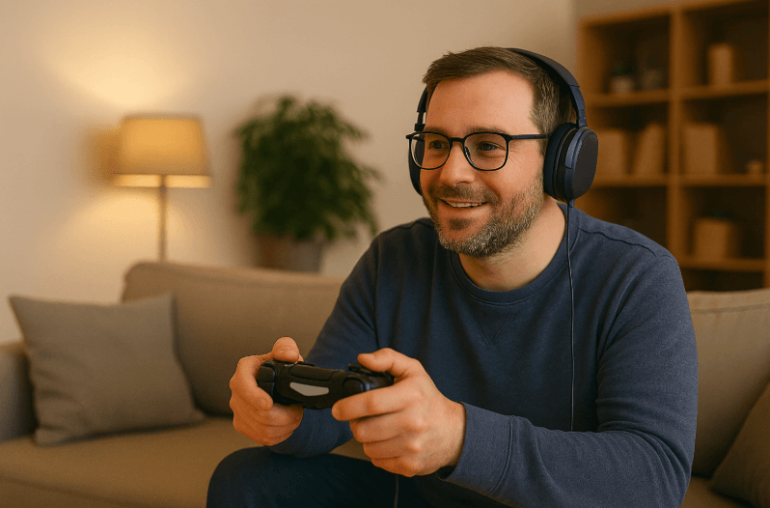
Gaming is increasingly being adopted as a form of self-care, with new research suggesting that extended play sessions are helping many adults manage stress, anxiety and loneliness. A global survey conducted by ELVTR, a provider of professional gaming and digital skills courses, found that gaming now occupies a firmly mainstream place in adult life, with more than half of respondents viewing it as a legitimate hobby and wellness tool.
According to the survey of 1,000 adults worldwide, 53 per cent regard gaming as a “grown-up hobby”, while an overwhelming 96 per cent of gamers report positive effects on their mental health. The findings come at a time when the gaming industry continues to expand its demographic reach, with older players, working professionals and casual consumers increasingly embracing interactive entertainment.
Regular Play Patterns Highlight Growing Dependence
The research suggests high levels of engagement across the community. Nearly three-quarters of respondents (72 per cent) would classify themselves as “hard gamers”, reporting regular play sessions. For 37 per cent, gaming frequency peaks when they are stressed or tired, while one in three turns to games during periods of loneliness.
Many respondents say the habit delivers the relief they seek. Some 72 per cent report feeling calmer or happier after playing, and 71 per cent said gaming helps manage symptoms associated with anxiety or depression. Role-playing games (RPGs) emerged as the most effective stress-relief genre.
Burnout, Abuse and Real-World Sacrifices
Despite its perceived therapeutic value, gaming is not without its challenges. A majority of respondents—61 per cent—admit to experiencing bouts of gaming burnout, describing periods when the hobby itself becomes taxing. Meanwhile, 18 per cent report that repeated verbal abuse encountered during online play has triggered anxiety, raising concerns around community behaviour and moderation.
Extended gaming sessions also come with lifestyle trade-offs. The study found that 43 per cent of respondents have skipped basic hygiene during gaming marathons, and 58 per cent have missed holidays or special occasions to continue playing. More than a quarter (26 per cent) say they have sacrificed intimacy for gaming sessions. Additionally, 39 per cent reported gaming at work or taking time off specifically to play.
Industry Aspirations Rise as Gaming Culture Shifts
Enthusiasm around gaming as a career path remains strong. The survey reveals that 55 per cent of gamers aspire to work in the industry, whether in roles linked to development, design or online content creation. This interest mirrors growing labour demand within the sector, driven by the rise of streaming, esports and independent game development.
Roman Peskin, CEO at ELVTR, said the findings reflect an evolution in how adults perceive gaming and its role in daily life.
“Gaming is definitely more than entertainment. In our survey, 96% of gamers report positive effects on their mental health, using games to cope with stress, boost creativity, and connect with friends. But there’s a flip side: for those who frequently experience ‘gaming burnout,’ play becomes both the stress relief and the stressor, creating a self-reinforcing cycle of fatigue and anxiety. These findings show why gamers are willing to sacrifice time, money, and even personal care — and why developers and health professionals should note this interplay between stress and potentially compulsive play.”
Social Perceptions Shift as Gaming Hits the Mainstream
Public attitudes towards gamers appear to be improving, with more than half of adults now finding gamers attractive and only 6 per cent viewing gaming negatively. According to the survey, this marks a significant shift away from outdated stereotypes of gamers as socially awkward or immature.
Overall, the findings paint a picture of a global gaming community increasingly using digital play for emotional regulation and social connection. Yet as gaming embeds itself further into daily life, the report suggests a need for greater awareness around the potential risks associated with excessive or compulsive use. With the industry continuing to grow in economic and cultural importance, these insights hold implications for developers, healthcare professionals and employers alike.