

Artificial intelligence is reshaping industries across the United States, but it is also creating new opportunities for fraudsters to exploit consumers and insurance companies. Oklahoma Insurance Commissioner Glen Mulready is urging policyholders to remain vigilant as AI-generated documents, images and videos become increasingly difficult to distinguish from legitimate evidence used in insurance claims.
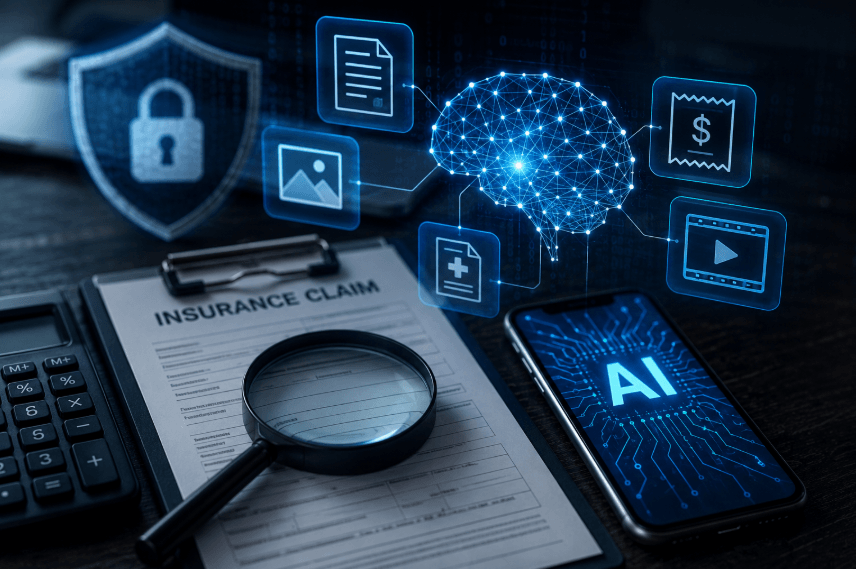
Advances in AI technology have made it possible for scammers to fabricate convincing receipts, medical records, damage photographs and even video evidence using readily available tools. What once required specialized software and technical expertise can now be created within seconds on a smartphone, raising concerns about the future of insurance fraud and the effectiveness of traditional detection methods.
According to the AI Insurance Fraud Statistics 2026 report published by WasItAIGenerated, fake receipts generated through artificial intelligence account for 34% of AI-related insurance fraud cases, making them the most common form of manipulated evidence. Synthetic medical documents represent another 28% of reported AI-assisted fraud, while fabricated damage photos account for 19%. Deepfake video evidence makes up an additional 12% of documented cases.
These increasingly sophisticated materials allow criminals to produce realistic documentation that can closely resemble authentic insurance records, creating new challenges for insurers responsible for evaluating claims.
Traditional Fraud Detection Faces New Challenges
Insurance companies have historically relied on a combination of pattern recognition, document reviews and human investigators to identify suspicious claims. However, AI-generated content is changing that landscape by producing documents that often pass visual inspections due to highly accurate formatting and realistic presentation.
The growing sophistication of artificial intelligence means detection systems developed before the widespread adoption of AI are becoming less effective against modern fraud schemes. Industry experts warn that insurers must continuously update their fraud prevention capabilities to keep pace with rapidly evolving technology.
The financial consequences extend beyond insurers themselves. According to Verisk’s 2026 State of Insurance Fraud Study, 69% of consumers believe insurance fraud contributes to higher premiums for all policyholders.
Additional findings cited from the WasItAIGenerated analysis estimate that annual insurance fraud losses now exceed $308 billion, with AI-assisted fraud increasing significantly from year to year. Industry analysts note that fraudulent claims ultimately increase costs across the insurance market, placing additional financial pressure on consumers through higher insurance rates.
Insurance Industry Invests in Advanced Detection Technologies
As AI-powered fraud continues to evolve, insurers are responding by expanding their use of technology designed to identify manipulated evidence before claims are approved.
Verisk’s fraud study reports that 98% of insurers believe artificial intelligence is driving an increase in digital fraud. In response, companies are investing in advanced fraud detection tools, including image forensics systems, deepfake detection technology and document authenticity scoring platforms capable of identifying subtle signs of digital manipulation.
State regulators are also strengthening cooperation to combat increasingly sophisticated scams. The Oklahoma Insurance Department shares fraud intelligence and scam information with insurance regulators in other states to help identify emerging threats more quickly and support investigations aimed at prosecuting those responsible.
Officials say collaboration between regulators and insurers has become increasingly important as fraud schemes grow more complex and often cross state boundaries.
Consumers Encouraged to Stay Vigilant
Consumer awareness remains one of the strongest defenses against AI-assisted insurance fraud. Officials recommend verifying unexpected communications that claim to come from an insurance company by contacting the insurer directly through an official phone number or website rather than relying on information provided in unsolicited messages.
Policyholders are also encouraged to carefully examine medical forms, repair estimates and receipts that appear unusual or inconsistent. Maintaining original documentation and receipts can help verify legitimate claims if questions arise during the claims process.
Experts further advise against editing or enhancing photographs submitted as part of an insurance claim, noting that even minor alterations may trigger fraud detection systems designed to identify manipulated images.
Consumers who encounter suspicious activity or believe they may be the target of an AI-assisted insurance scam are encouraged to report the incident promptly to their insurer and the appropriate regulatory authorities.
As artificial intelligence continues to become more accessible, insurance officials warn that fraud tactics will likely become even more sophisticated. At the same time, insurers and regulators are expanding their use of advanced detection technologies and coordinated enforcement efforts to protect policyholders and preserve the integrity of the insurance system. Awareness, officials say, remains one of the most effective tools consumers have in reducing their risk of becoming victims of AI-driven insurance fraud.