

The United States House Committee on Agriculture has begun formal consideration of a sweeping new farm policy bill, with senior lawmakers emphasising its importance for rural resilience, disaster recovery and long-term agricultural investment.
Lawmakers convened in Washington to start the markup process for H.R. 7567, the Farm, Food, and National Security Act of 2026, a wide-ranging piece of legislation designed to shape agricultural policy, research funding and rural development programmes across the United States.
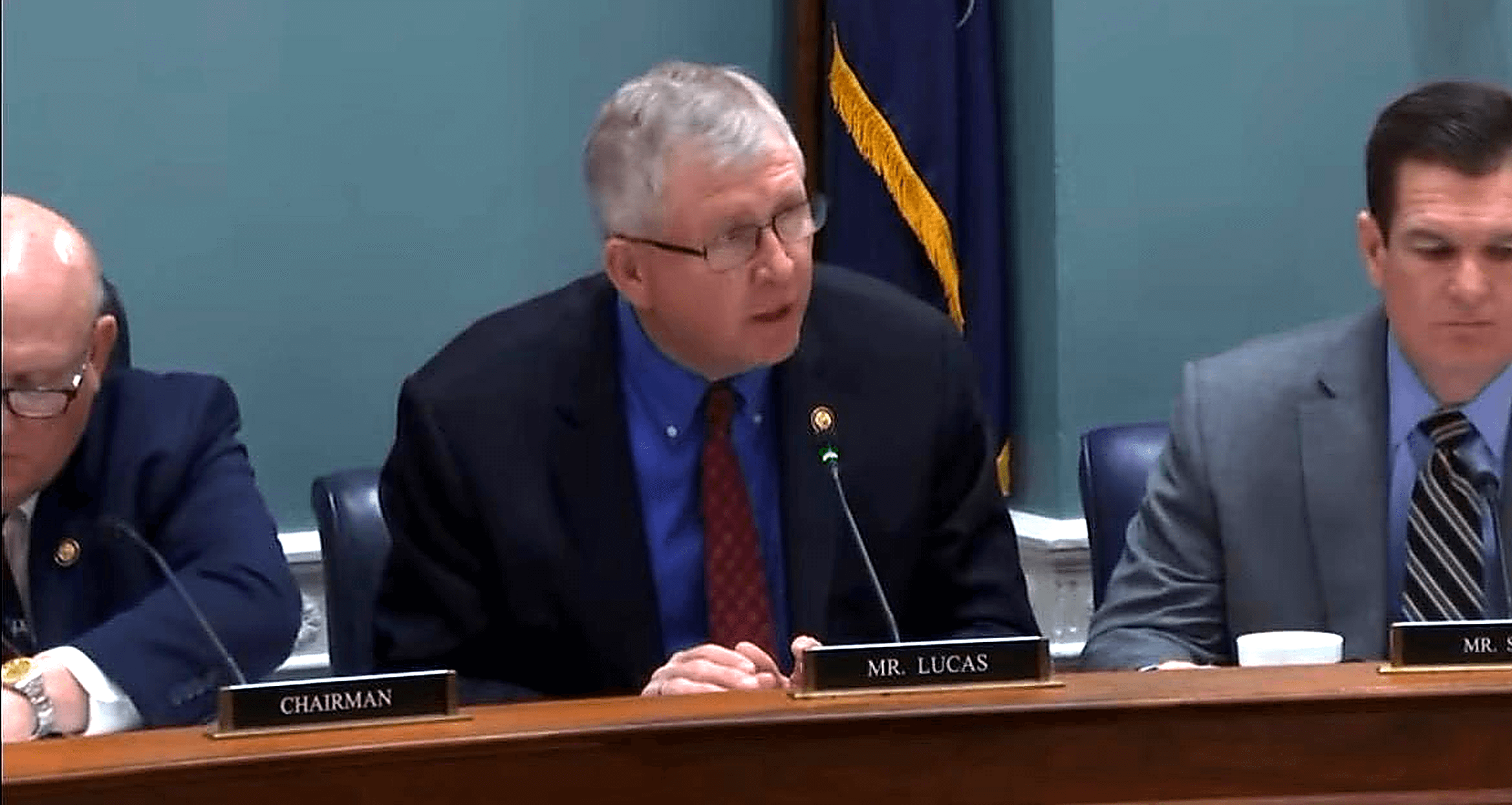
Opening the proceedings, Frank D. Lucas voiced strong support for the legislation and stressed its significance for farming communities facing both economic pressures and environmental disasters.
The Republican congressman, who has served on the House Agriculture Committee for more than three decades, drew on his experience of multiple farm bill negotiations to underline the importance of the current legislative effort.
“I want to take a moment and reflect on just how important the Farm Bill process is to our constituents and the American people,” Lucas said.
Wildfires highlight urgency for disaster support
Lucas referenced the impact of recent wildfires that swept through parts of the US Midwest, underscoring how federal agricultural programmes can help producers recover from catastrophic losses.
“Just two weeks ago, massive wildfires ripped through western Oklahoma and up into Kansas. Hundreds of thousands of acres were burned, homes and community centers were destroyed, and first responders in my district were injured on the job.”
The fires caused widespread damage to farmland and rural communities in Oklahoma and Kansas, affecting agricultural operations and local infrastructure.
“It was truly devastating, but this is certainly not the first time a disaster of this magnitude has occurred in Oklahoma, and I know I’m not the only Member here whose district has been devastated by wildfires or other natural disasters.”
He argued that such events demonstrate the importance of federal safety-net programmes included in farm legislation.
“But events like these serve as a reminder to us that the programs we get to review in farm bill discussions matter in more ways than we often realize.”
Among those measures are livestock disaster programmes designed to compensate producers when extreme weather or other events cause major losses.
“The permanent livestock programs like LIP and LFP provide financial relief to producers who experience livestock and pasture losses through no fault of their own. Without these programs, producers would suffer undue economic hardship when they need assistance the most.”
Broad policy agenda beyond disaster recovery
While disaster relief remains a critical component, Lucas said the proposed legislation extends far beyond emergency assistance.
“However, we have an opportunity today to vote for a bill that goes much further than just disaster recovery. The bill before us is eight hundred and two pages of policy that is aimed at making life better back home.”
According to Lucas, the bill includes provisions aimed at strengthening agricultural research, expanding rural credit programmes and supporting development initiatives in farming regions.
“To name just a few provisions among many, this bill reauthorizes a suite of critical research, rural development, and credit programs that will invest into our communities and create rural resiliency for decades to come.”
The legislation also includes measures intended to expand international market opportunities for US agricultural producers.
“This bill also focuses on expanding and investing into market access programs abroad, and it ensures that voluntary conservation programs continue to reflect the needs of producers.”
Lucas emphasised that the scope of the legislation means its effects will extend well beyond farm policy alone.
“The bottom line is – all of these programs under review today make a difference. I want everyone in this room, and those who are listening online, to be reminded just how much this bill will impact you, your neighbors, and our friends across the country.”
Decades of experience in farm legislation
Lucas also reflected on his long tenure on the House Agriculture Committee, which began in the mid-1990s.
“I’ve had the honor of serving on this committee since May of 1994. Since then, I’ve authored one farm bill and parts of four others. I’ve sat through a total of eight markups, and I’ve endured sweet victories and very painful losses.”
Farm bills are among the most comprehensive pieces of legislation in US domestic policy, typically covering a wide range of areas including agricultural subsidies, conservation initiatives, nutrition programmes and rural infrastructure.
Lucas acknowledged that the legislative process ahead could prove complex but said the outcome would ultimately be worthwhile.
“So, I know firsthand that the journey we have before us will not be easy, but it will certainly be worthwhile.”
Committee begins legislative process
The markup process marks the first major step in advancing the bill through Congress. During markups, committee members debate, amend and vote on proposed legislation before deciding whether to send it to the full House of Representatives for consideration.
Closing his remarks, Lucas expressed support for the committee leadership and optimism that the legislation would progress.
“I want to thank the Chairman for bringing forth this bill today and I look forward to getting this across the finish line.”